





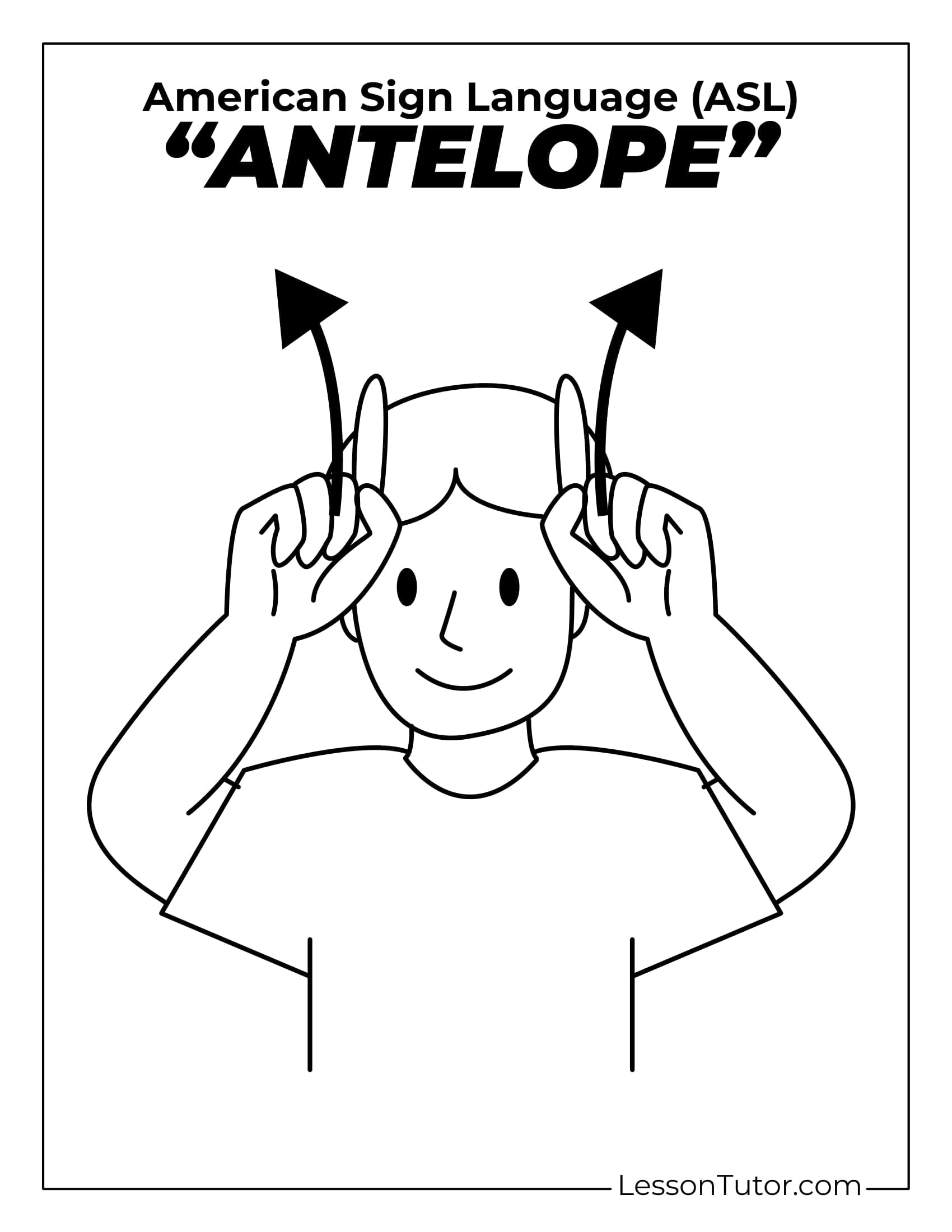
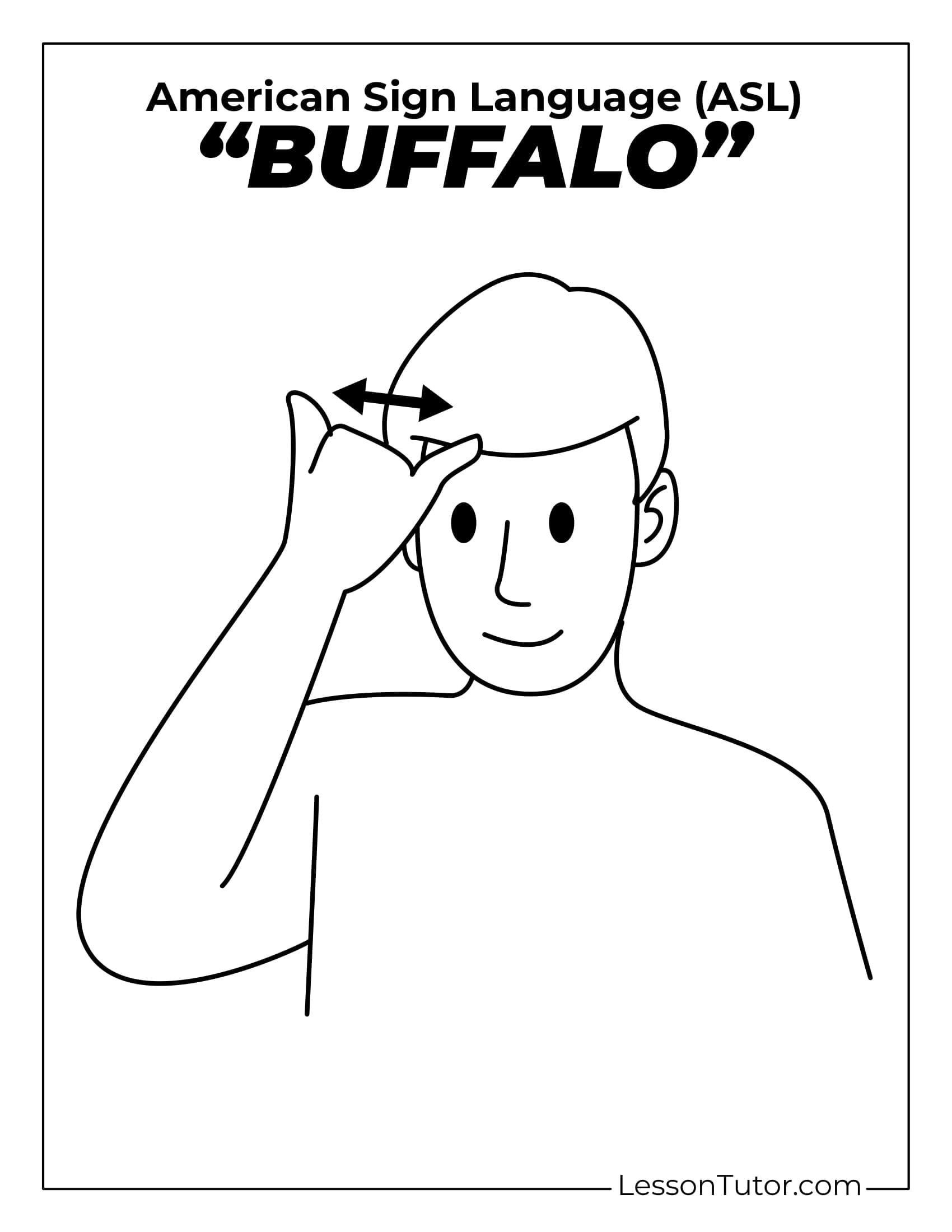
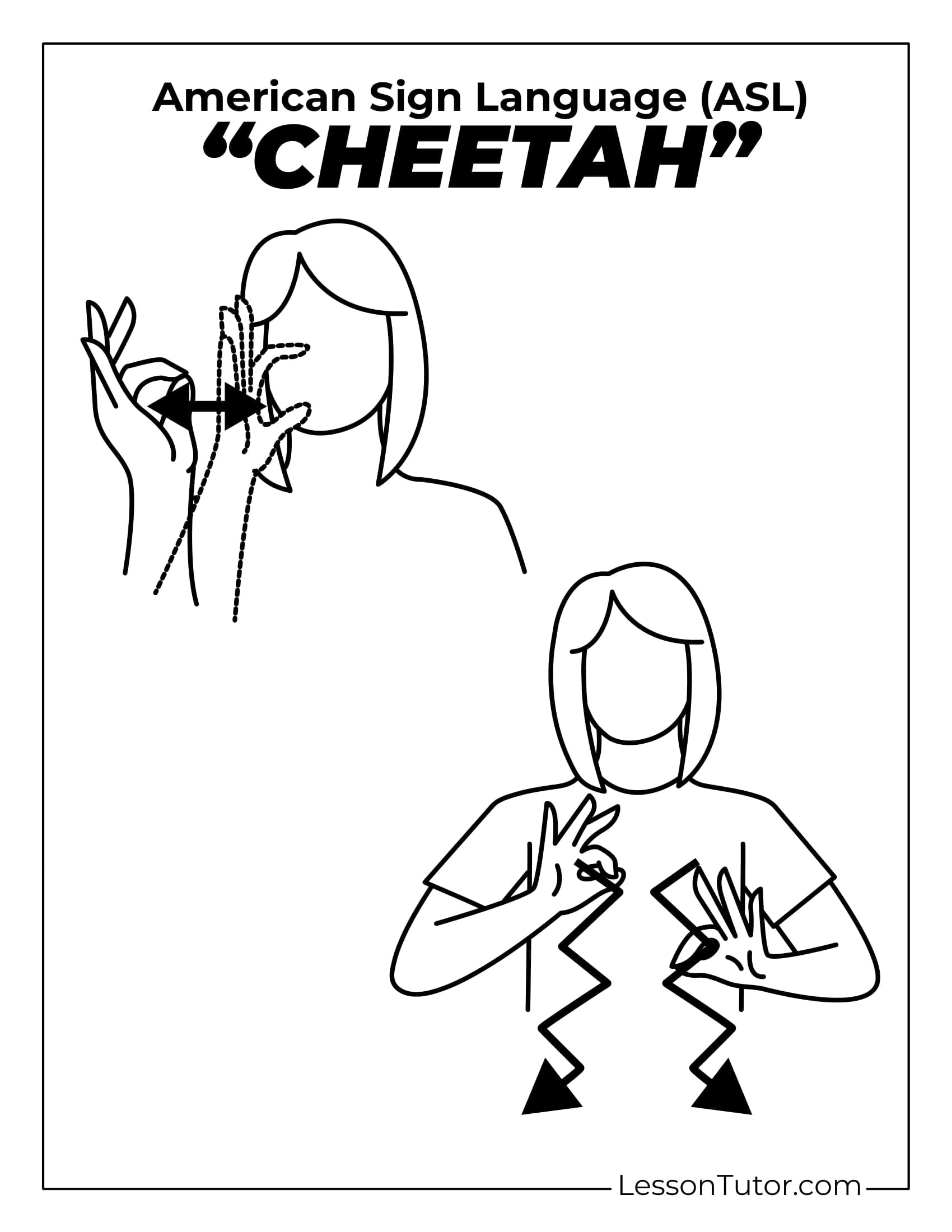
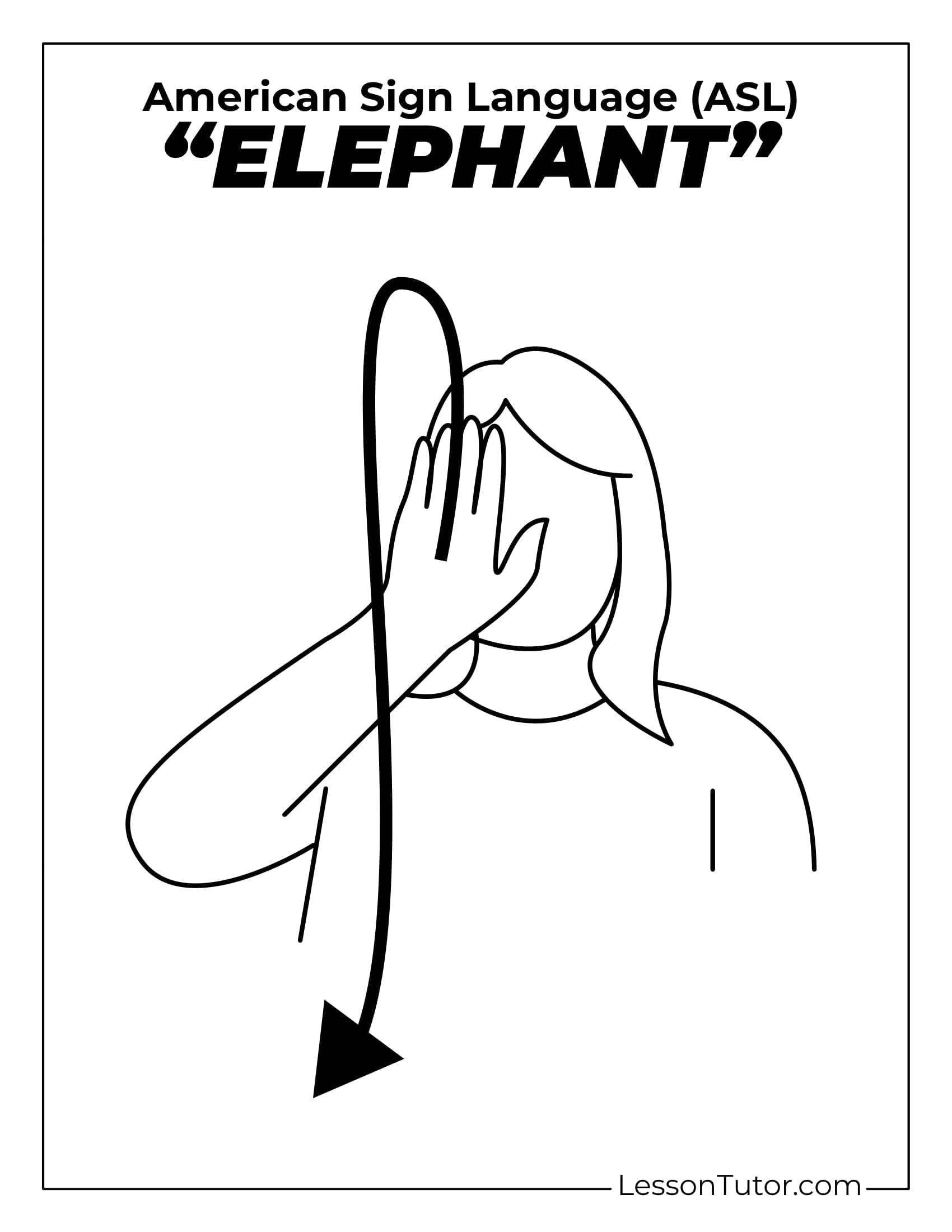
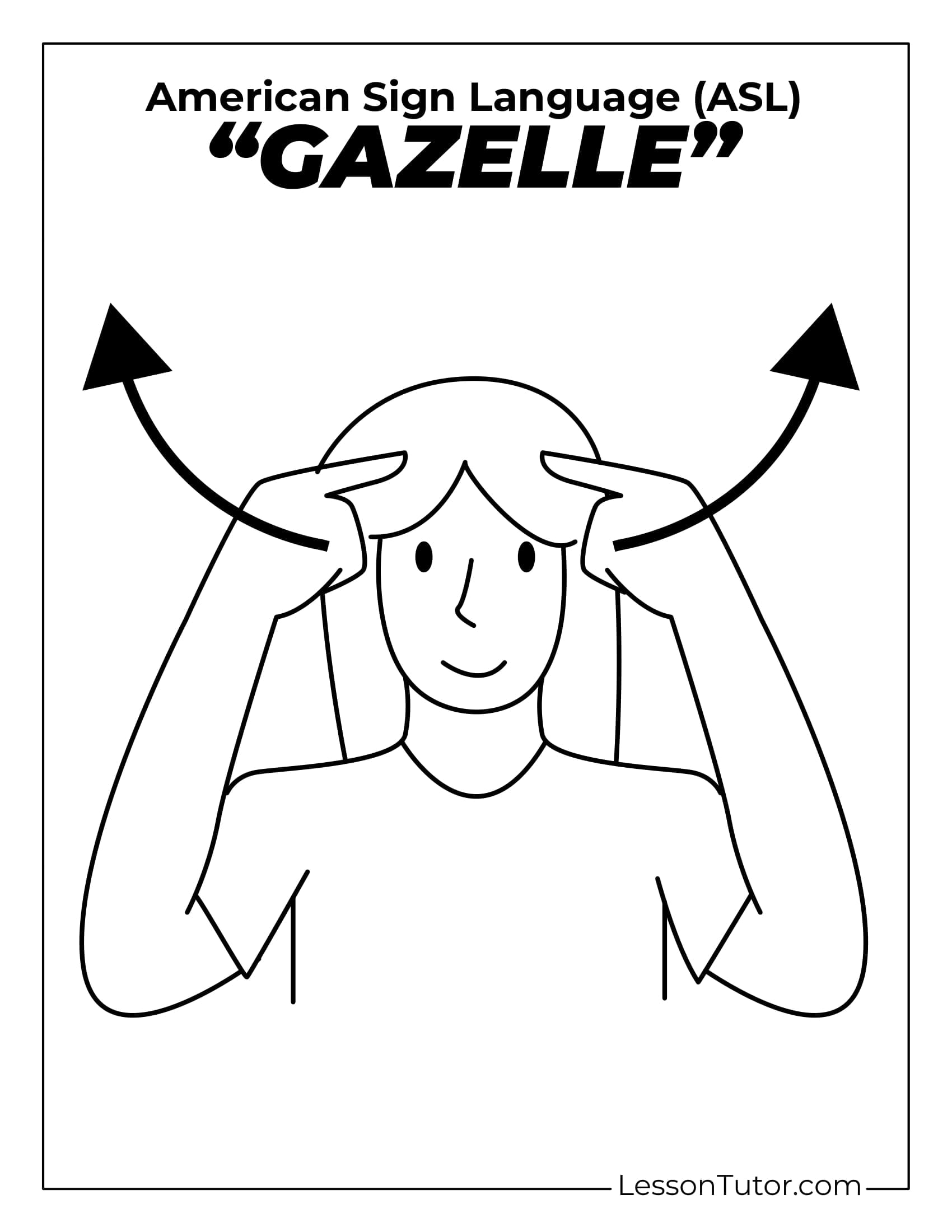
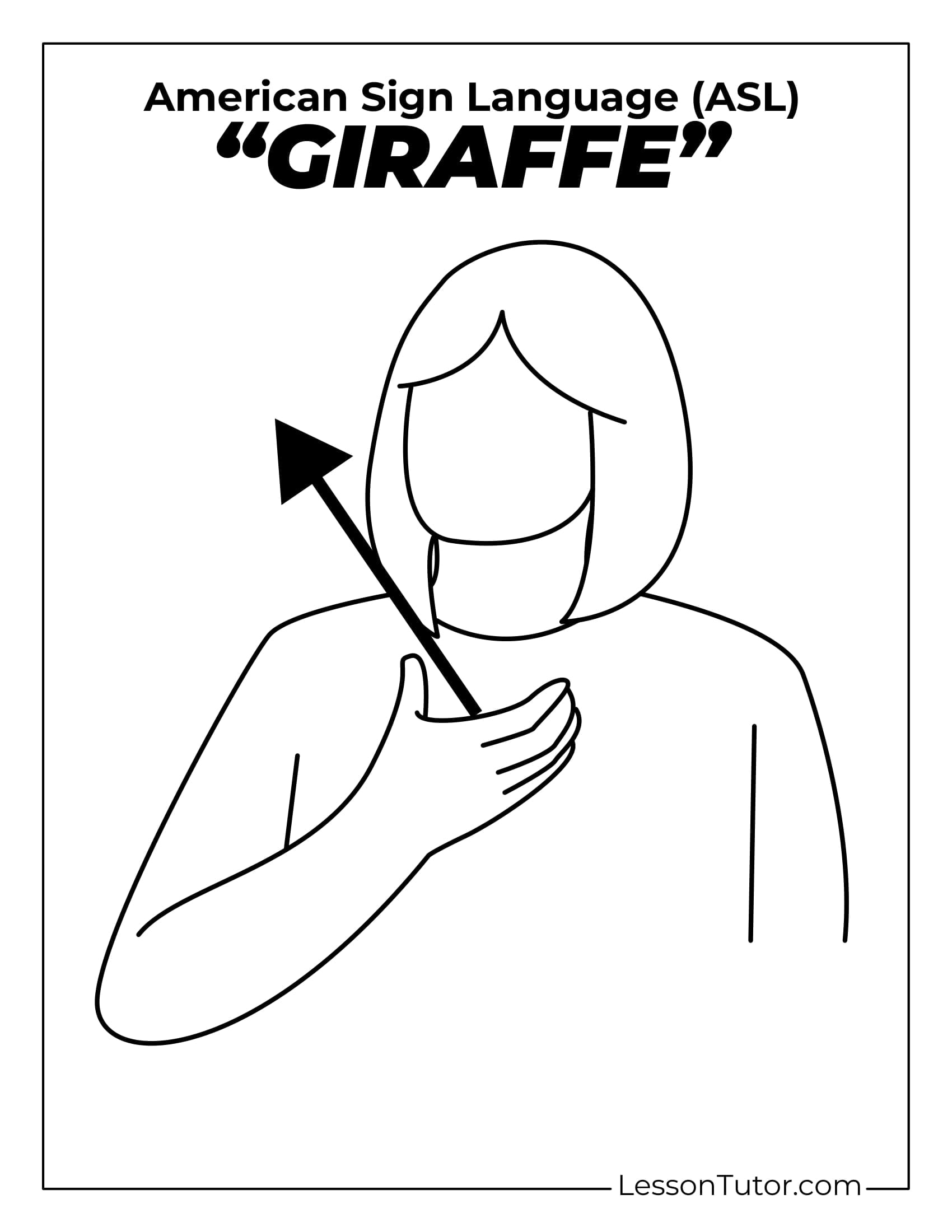
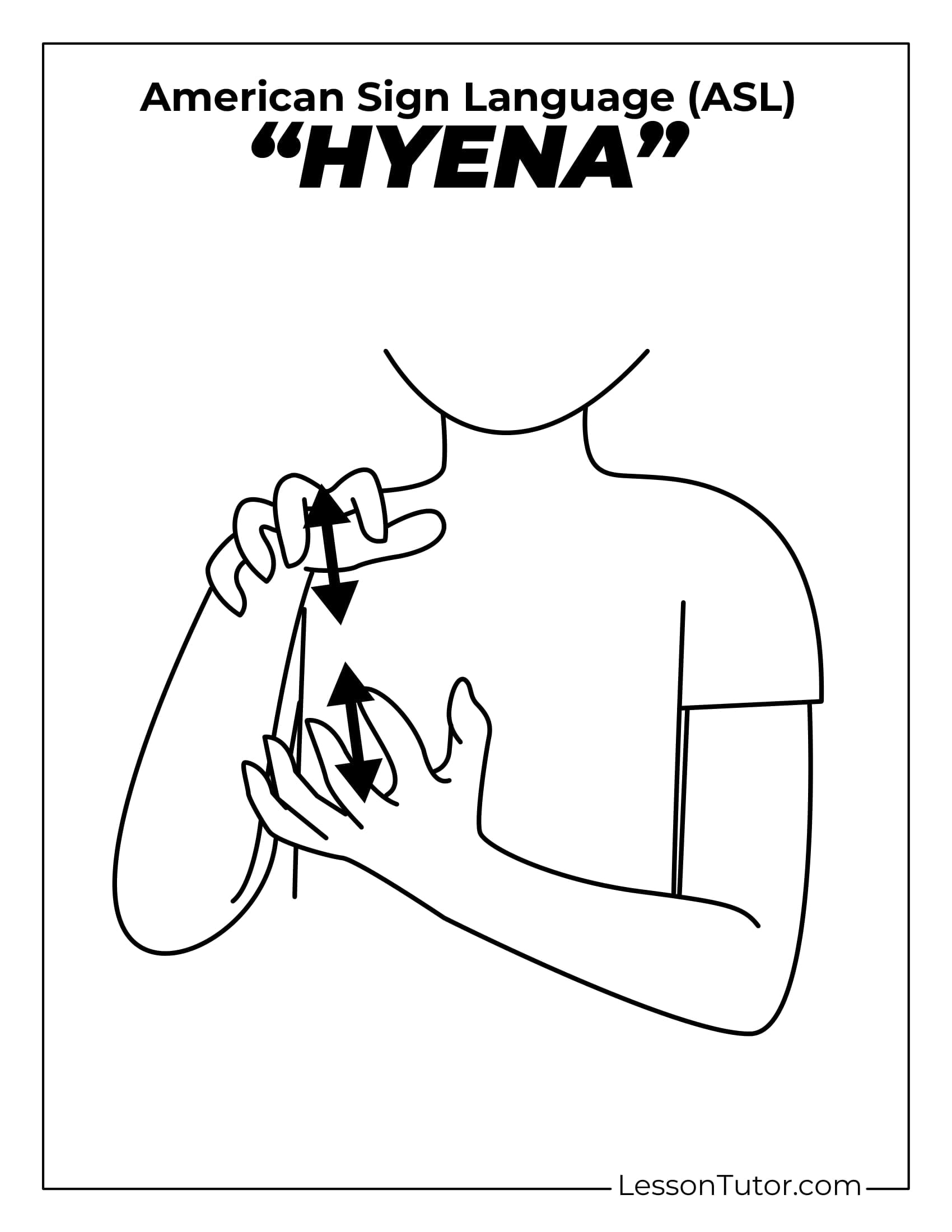
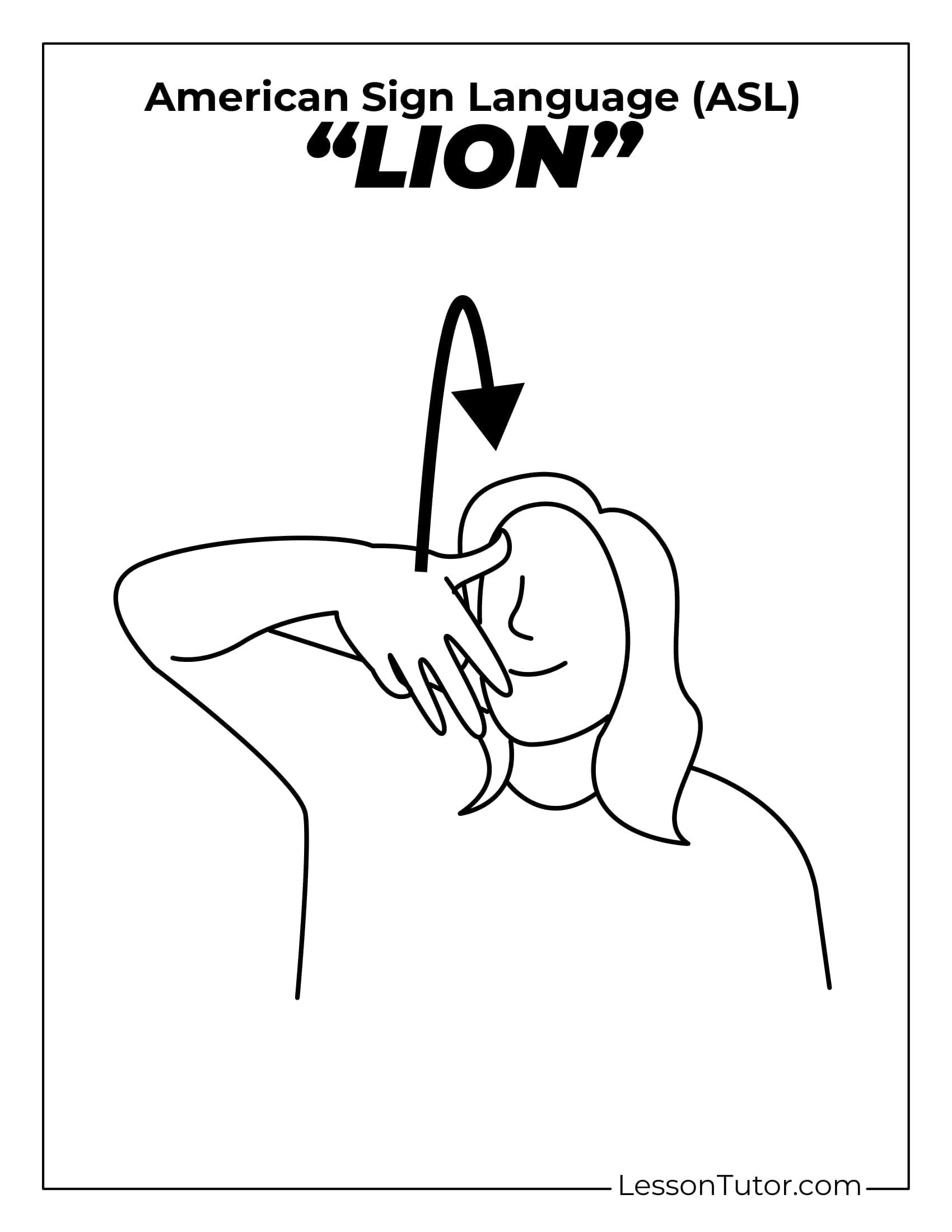
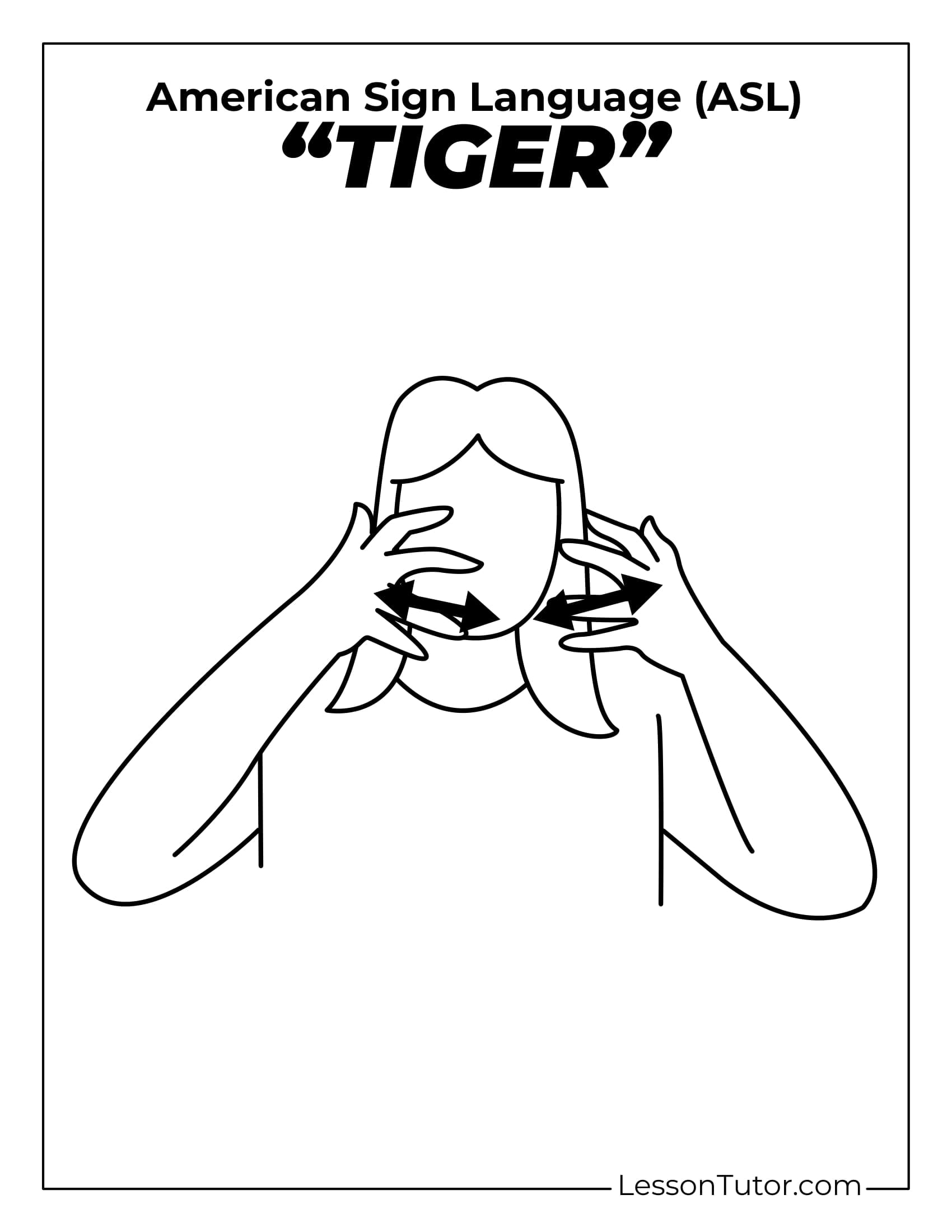
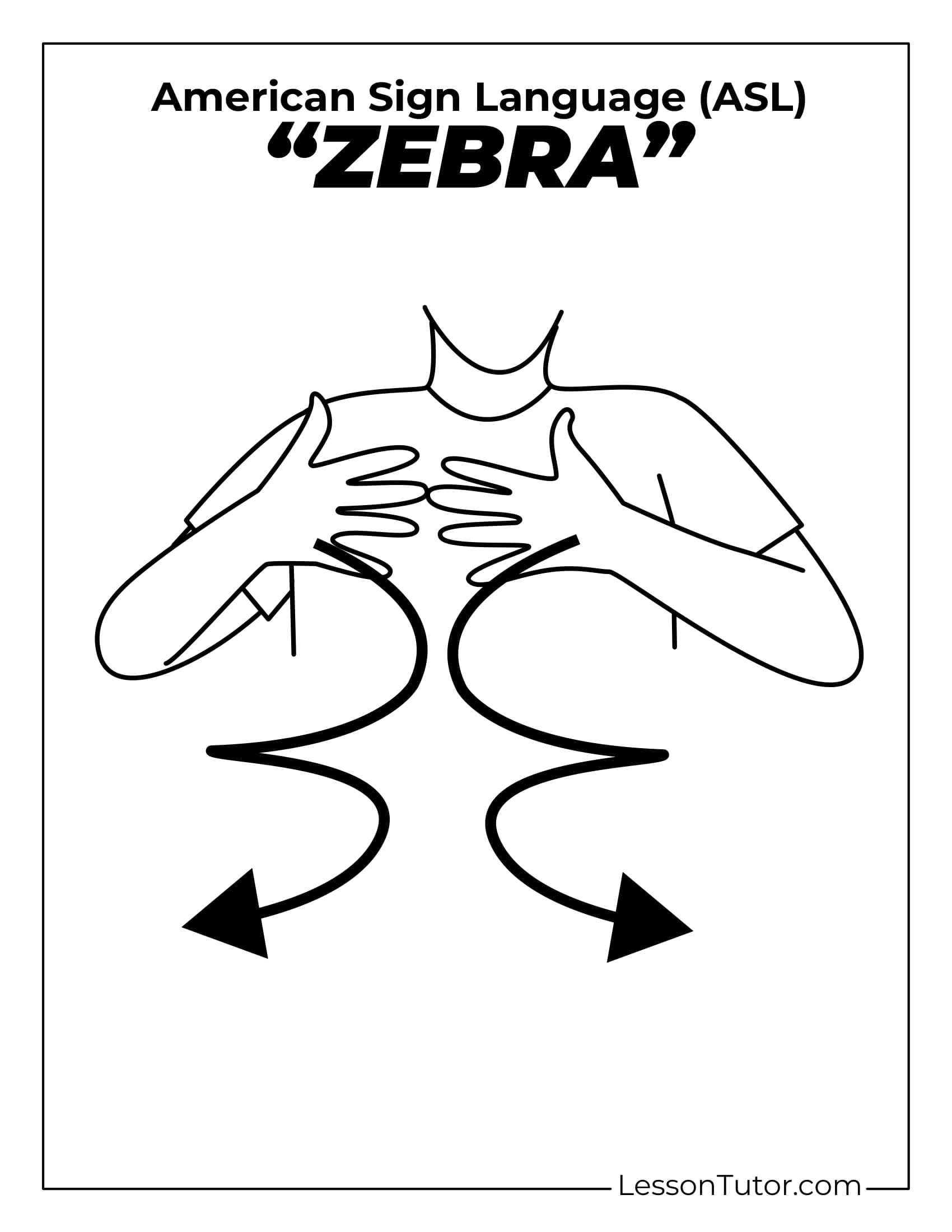
Explore the fascinating world of grassland animals with this exclusive collection of 15 educational worksheets, designed for students, teachers, and wildlife enthusiasts alike! This interactive set introduces the American Sign Language (ASL) signs for a variety of grassland creatures, including Lion, Tiger, Elephant, Giraffe, Cheetah, Zebra, Buffalo, Hyena, and Gazelle. Whether you’re incorporating sign language into your classroom, homeschooling curriculum, or personal study, these worksheets offer an exciting blend of language learning and animal exploration.

Designed in A4 paper sizes and available as high-resolution PDFs, these 15 worksheets are free to download and print for easy access. Perfect for teachers, parents, and students, this collection brings the beauty of grassland animals into your learning space while fostering ASL skills. Download now and start discovering the incredible world of grassland wildlife and sign language today!
Craft Ideas To Do With Grassland Animals Worksheets
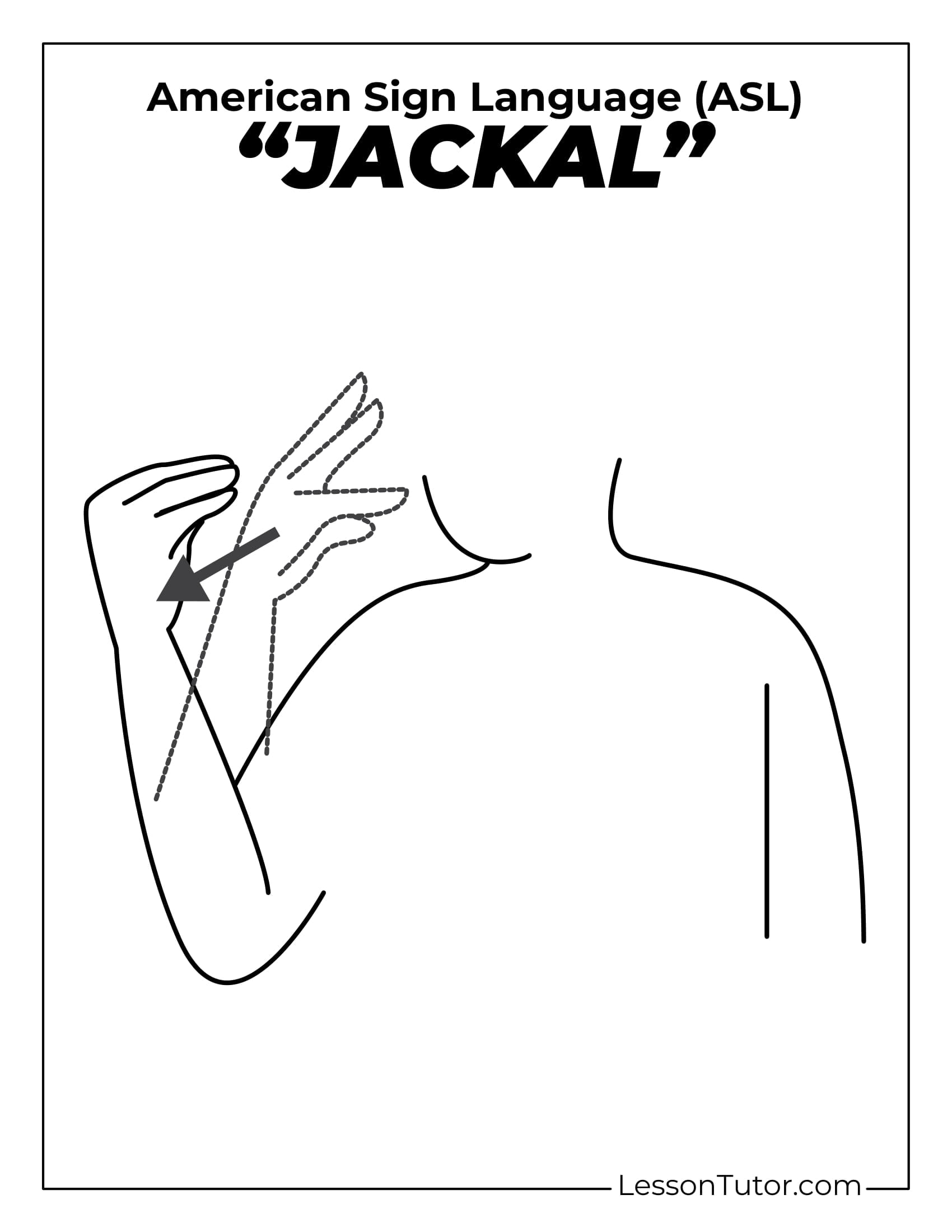
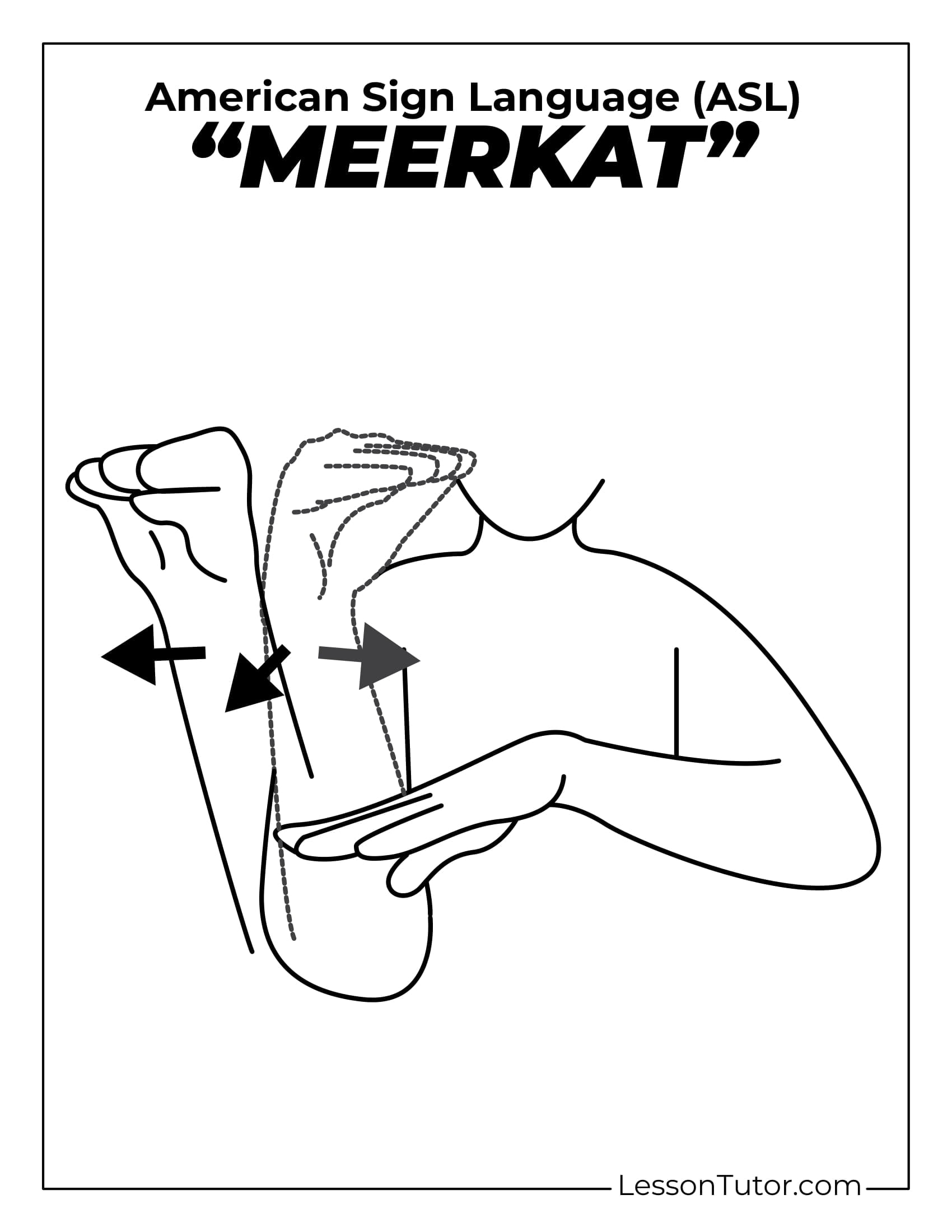
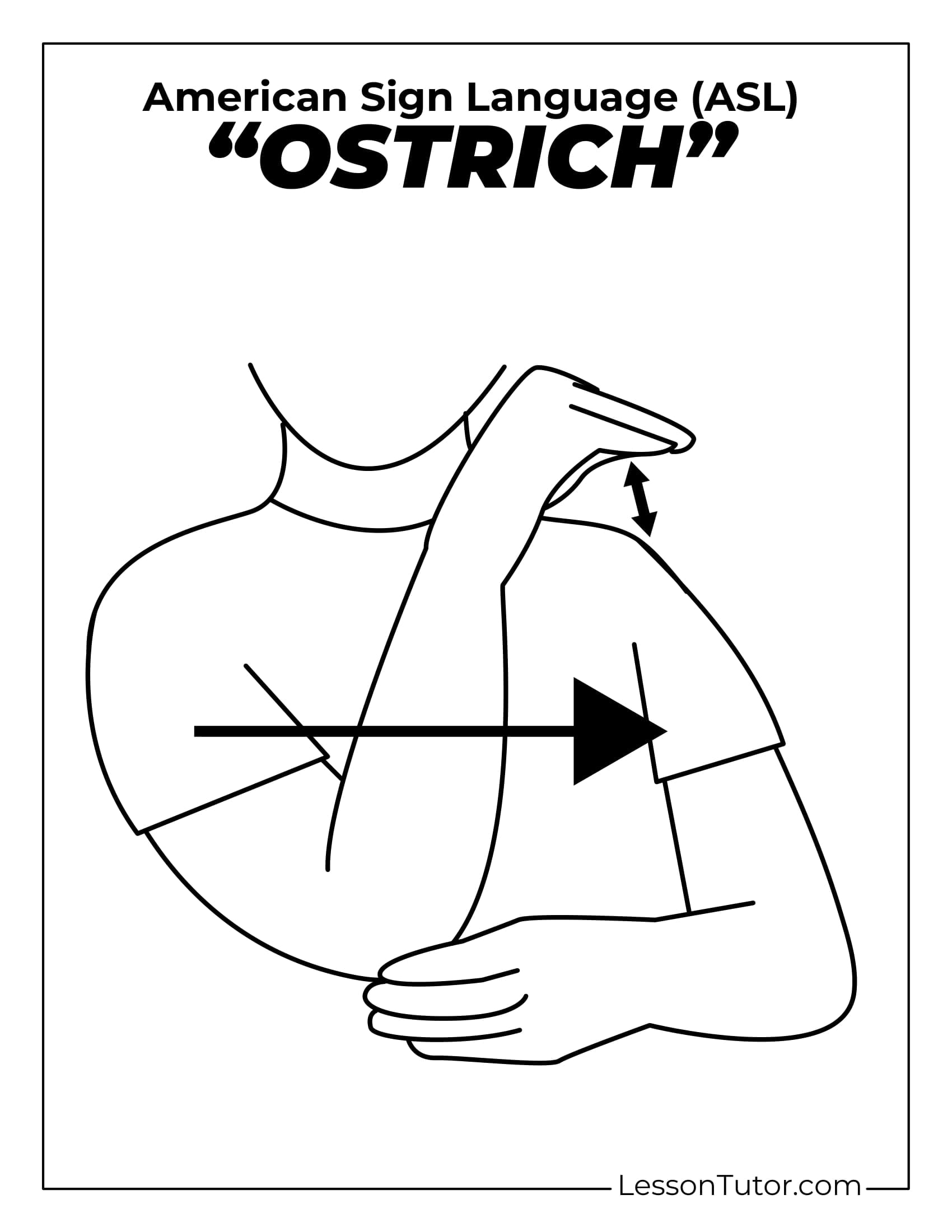
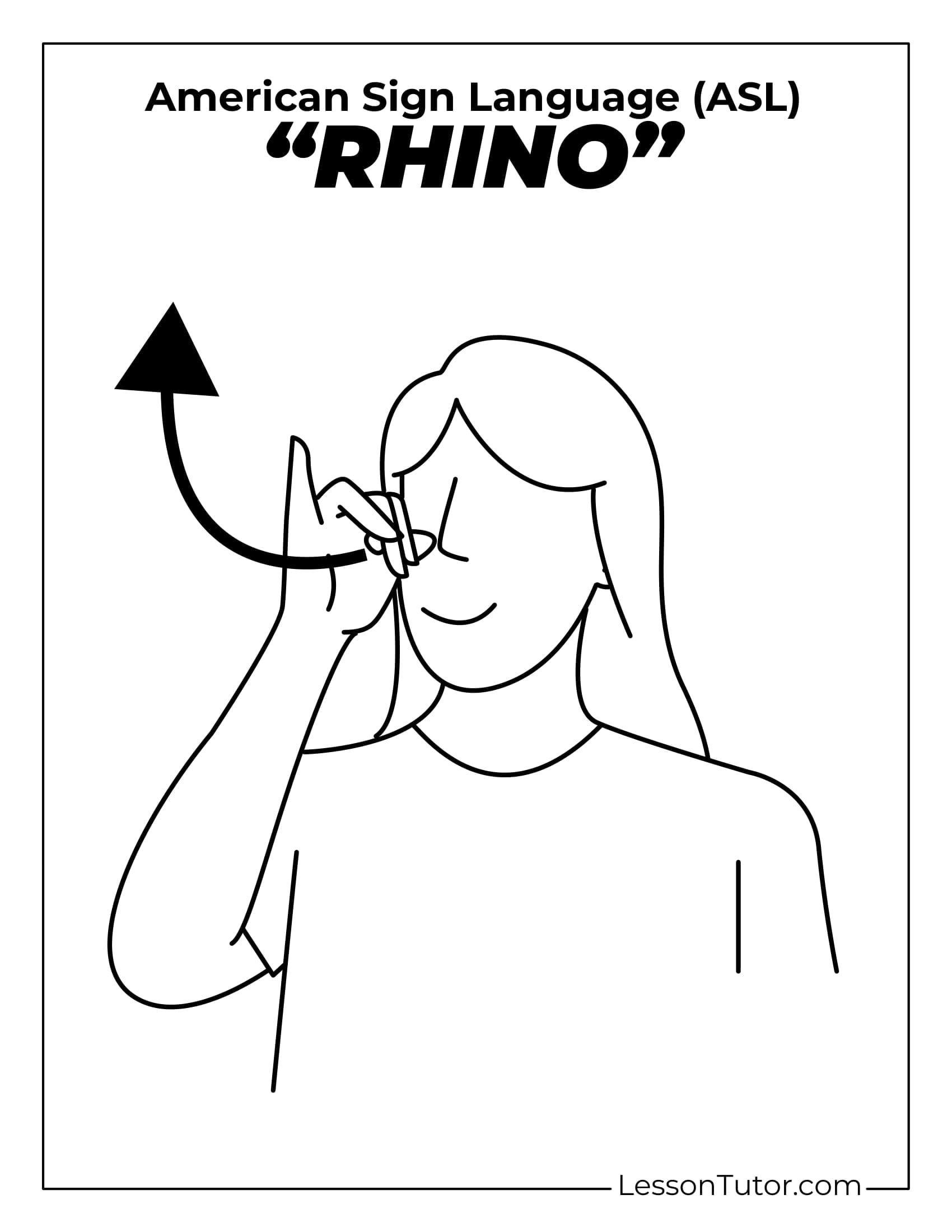
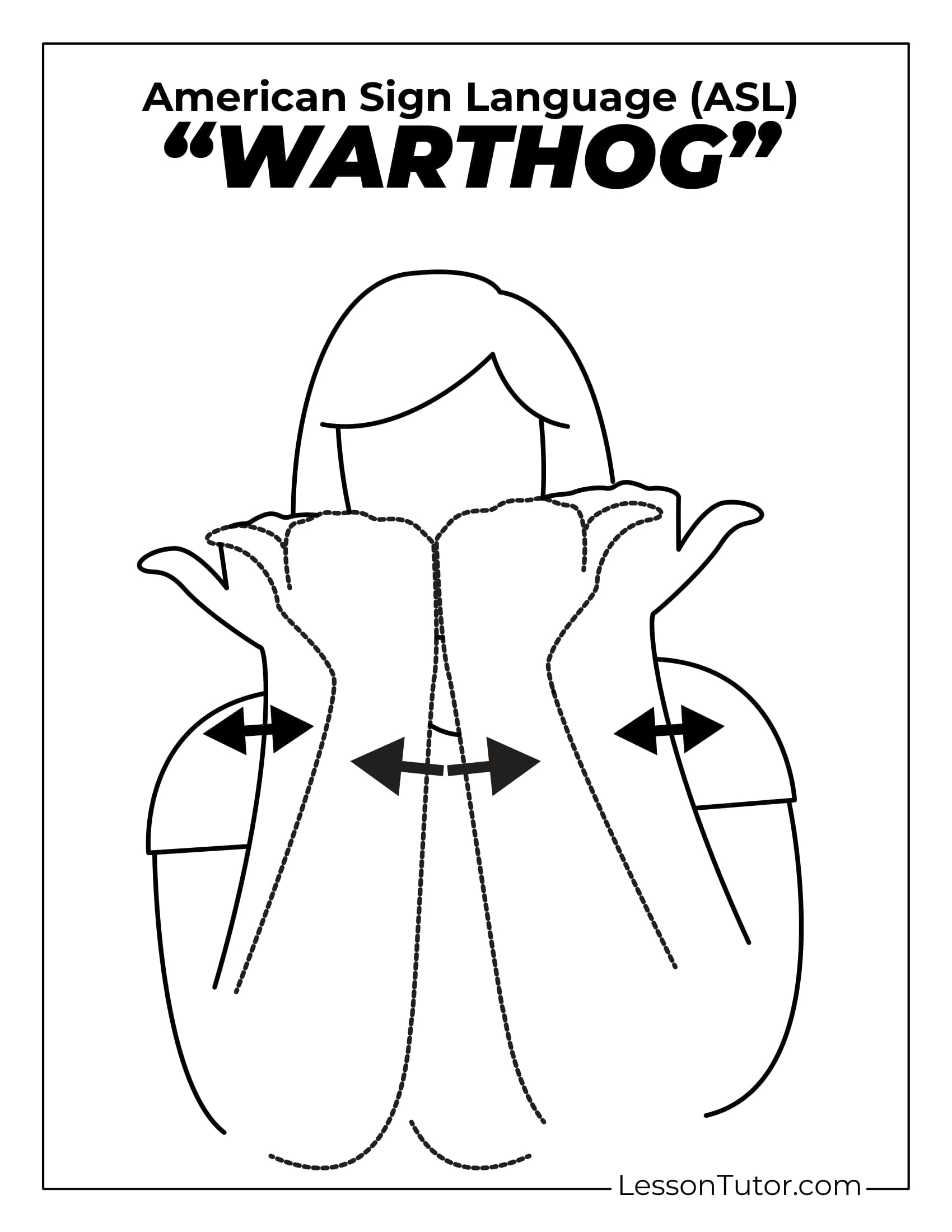
This set also features ASL signs for Antelope, Rhino, Ostrich, Warthog, Meerkat, and Jackal, ensuring a comprehensive introduction to grassland wildlife. Each worksheet includes detailed illustrations and step-by-step guidance, making it easy for learners to understand and practice signing. With engaging visuals and hands-on activities, these worksheets provide a fun and effective way to learn both about these incredible animals and their corresponding ASL signs
More Free Printable Worksheets
If you're looking for more related worksheet goodies that kids love, we think you'll particularly enjoy these worksheets collections: