




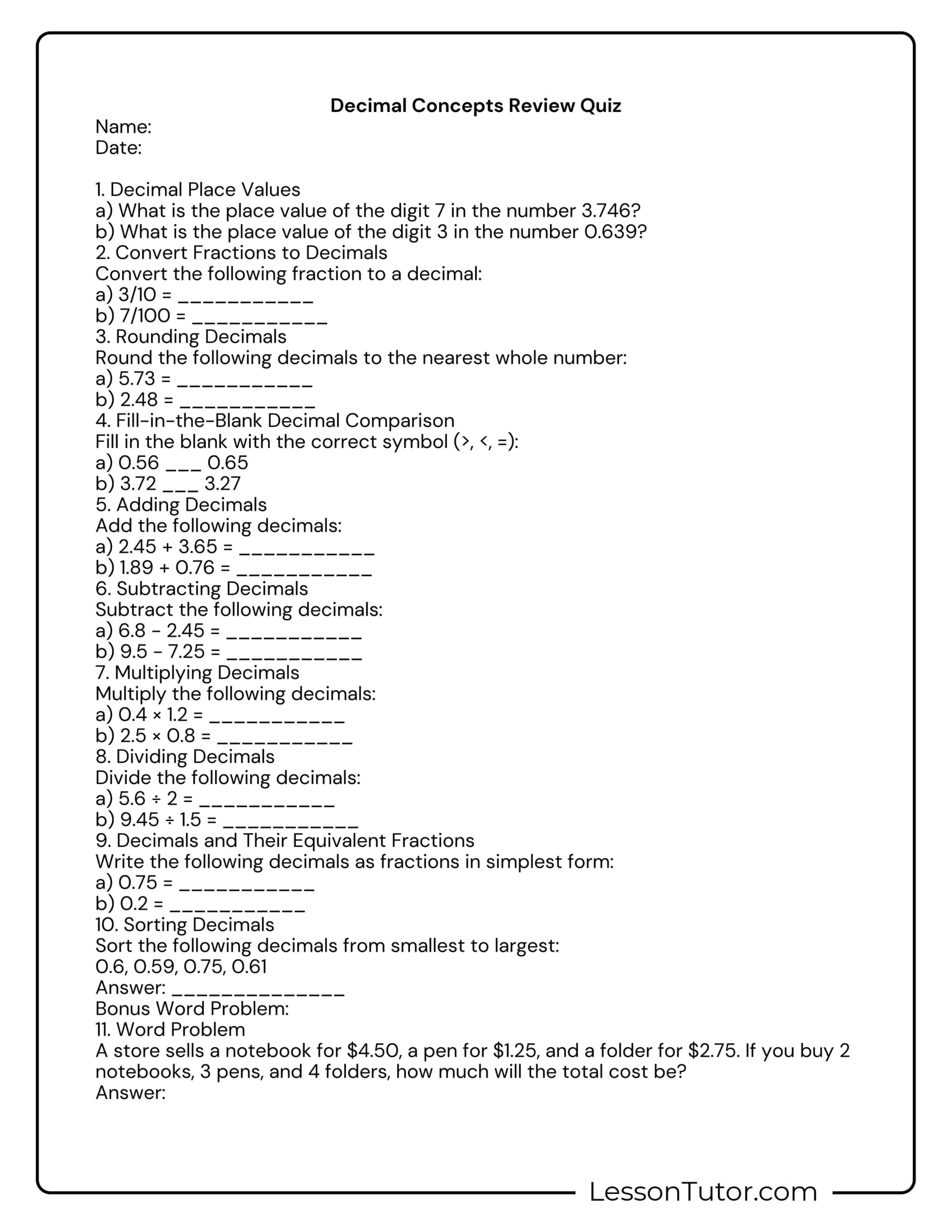
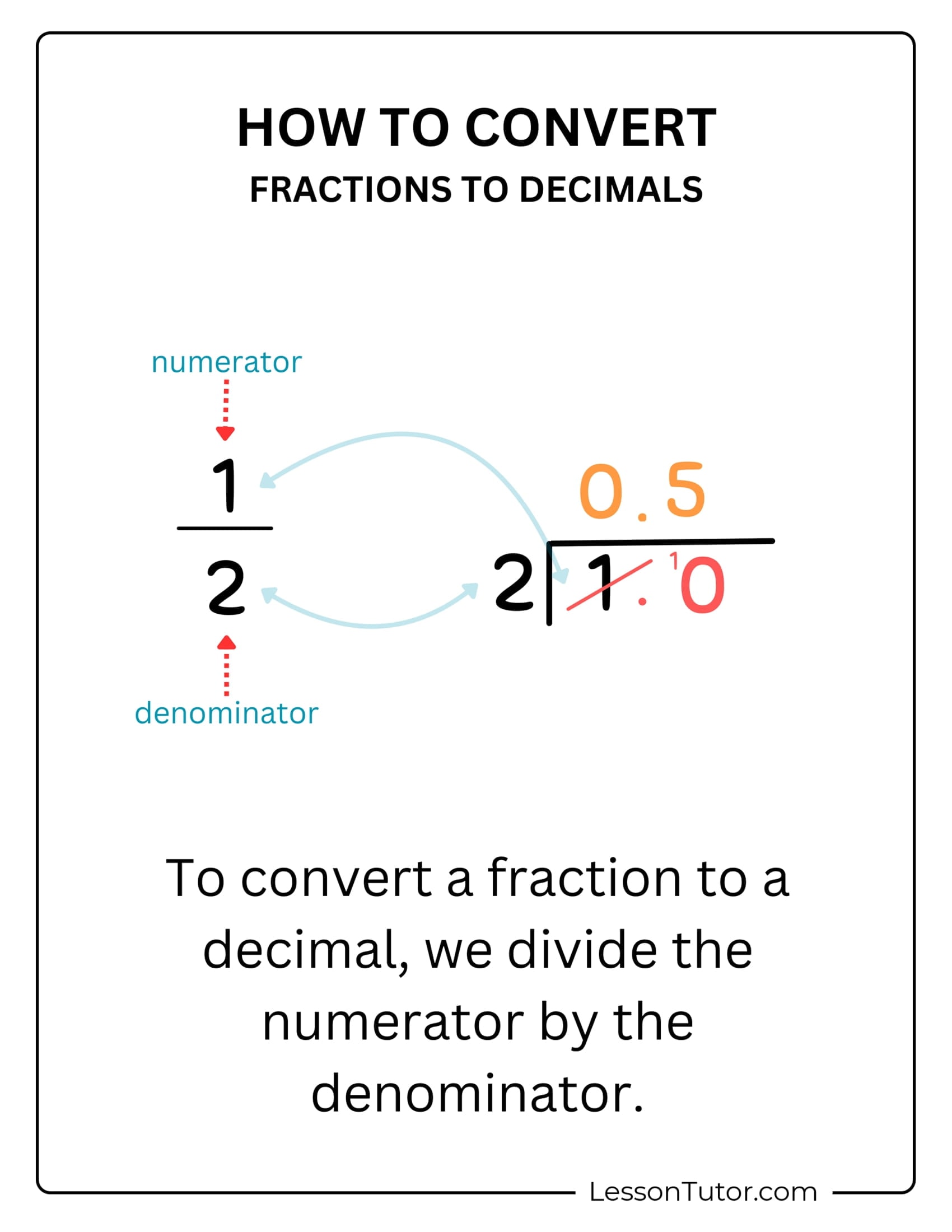
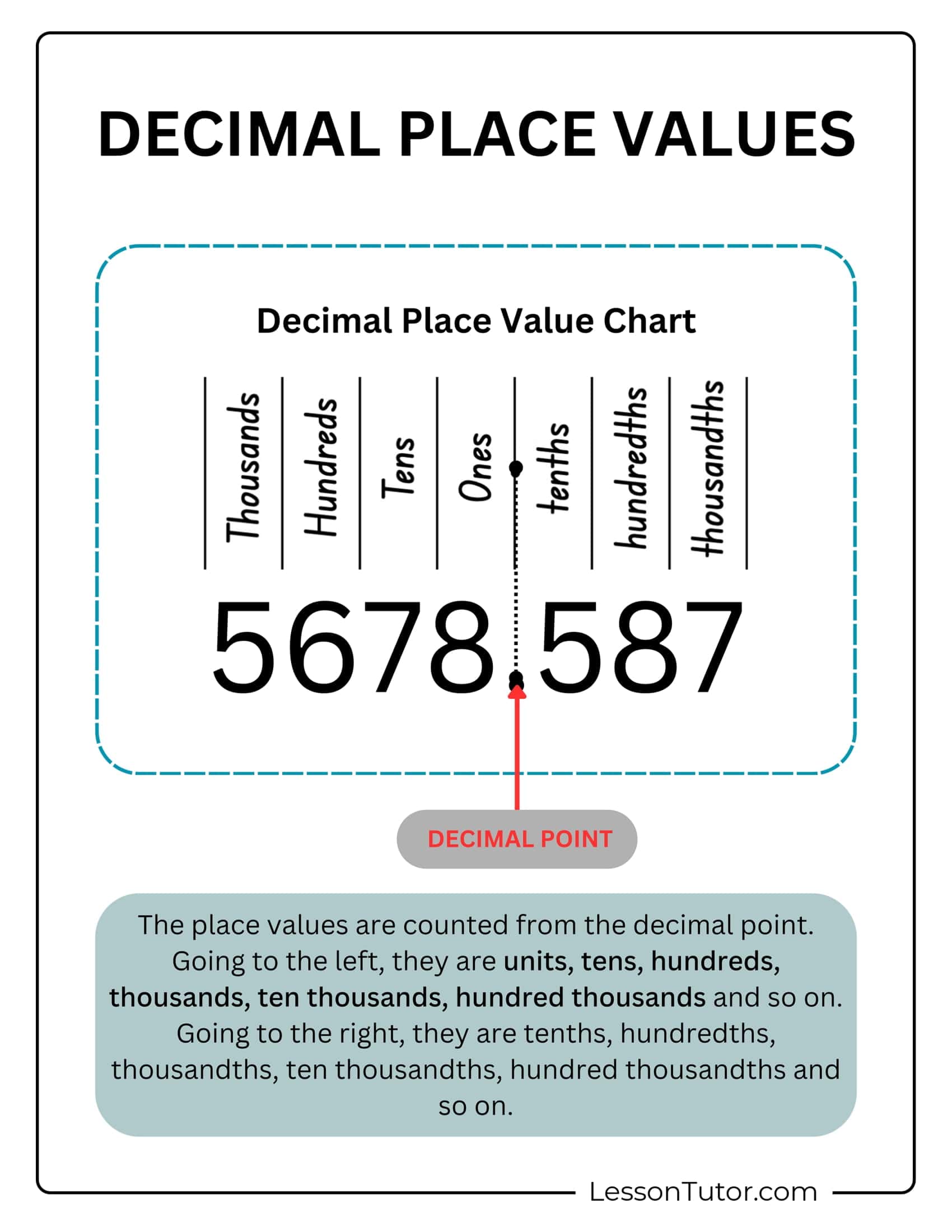
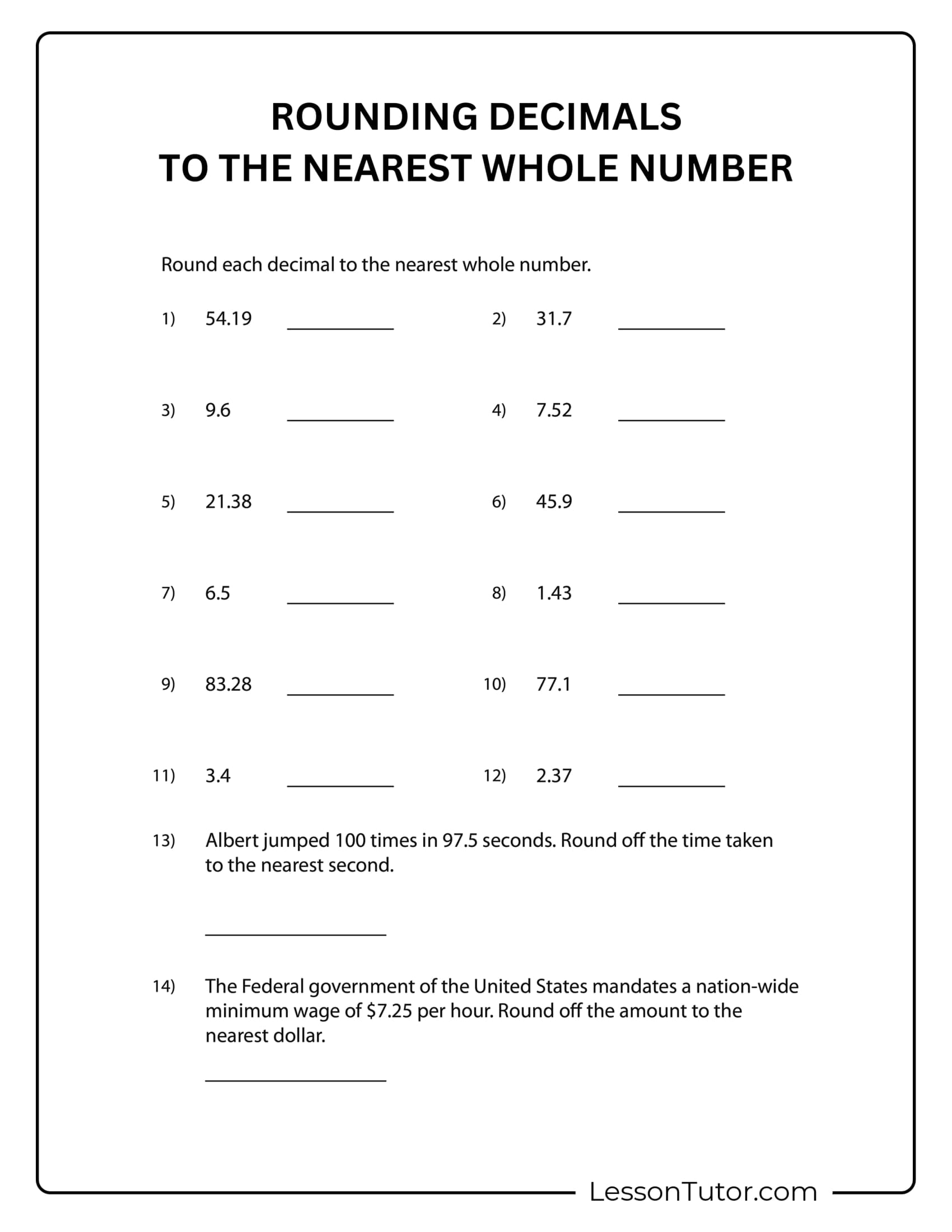
Dive into the world of decimals with this carefully designed lesson plan and 15 printable worksheets, perfect for reinforcing essential math skills. This collection covers decimal place values (tenths, hundredths, and thousandths), helping students understand number relationships with ease. From step-by-step guides on converting fractions to decimals to interactive worksheets on rounding decimals to the nearest whole number, these resources offer a hands-on approach to mastering decimals.
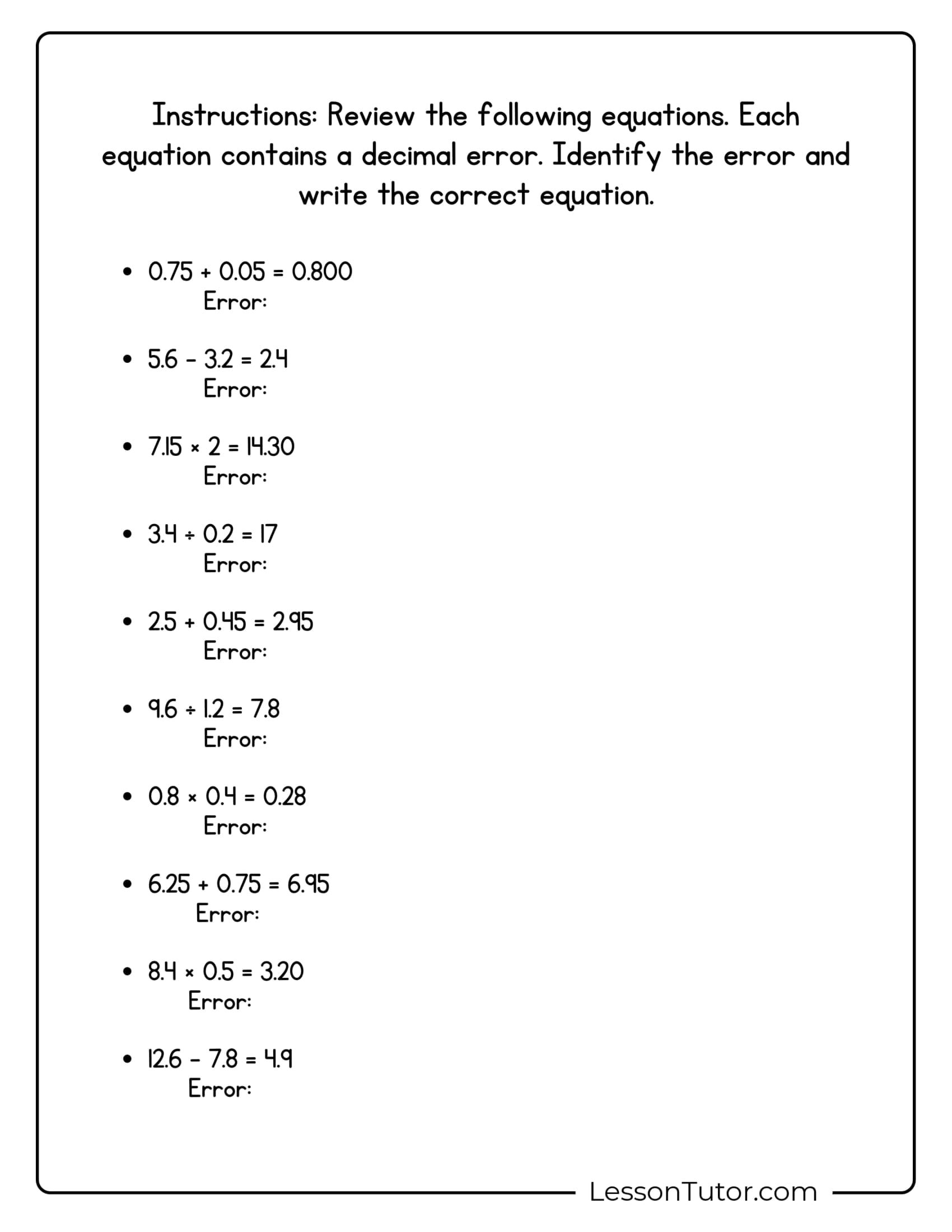
Formatted for A4 paper sizes and free to download, these 15 high-quality resources are ideal for classrooms, homeschooling, or individual study. With worksheets that encourage critical thinking, such as identifying decimal errors in equations, this set provides a well-rounded learning experience. Download now to make decimals clear, engaging, and fun!
Craft Ideas To Do With Decimals Lesson Plan Worksheets
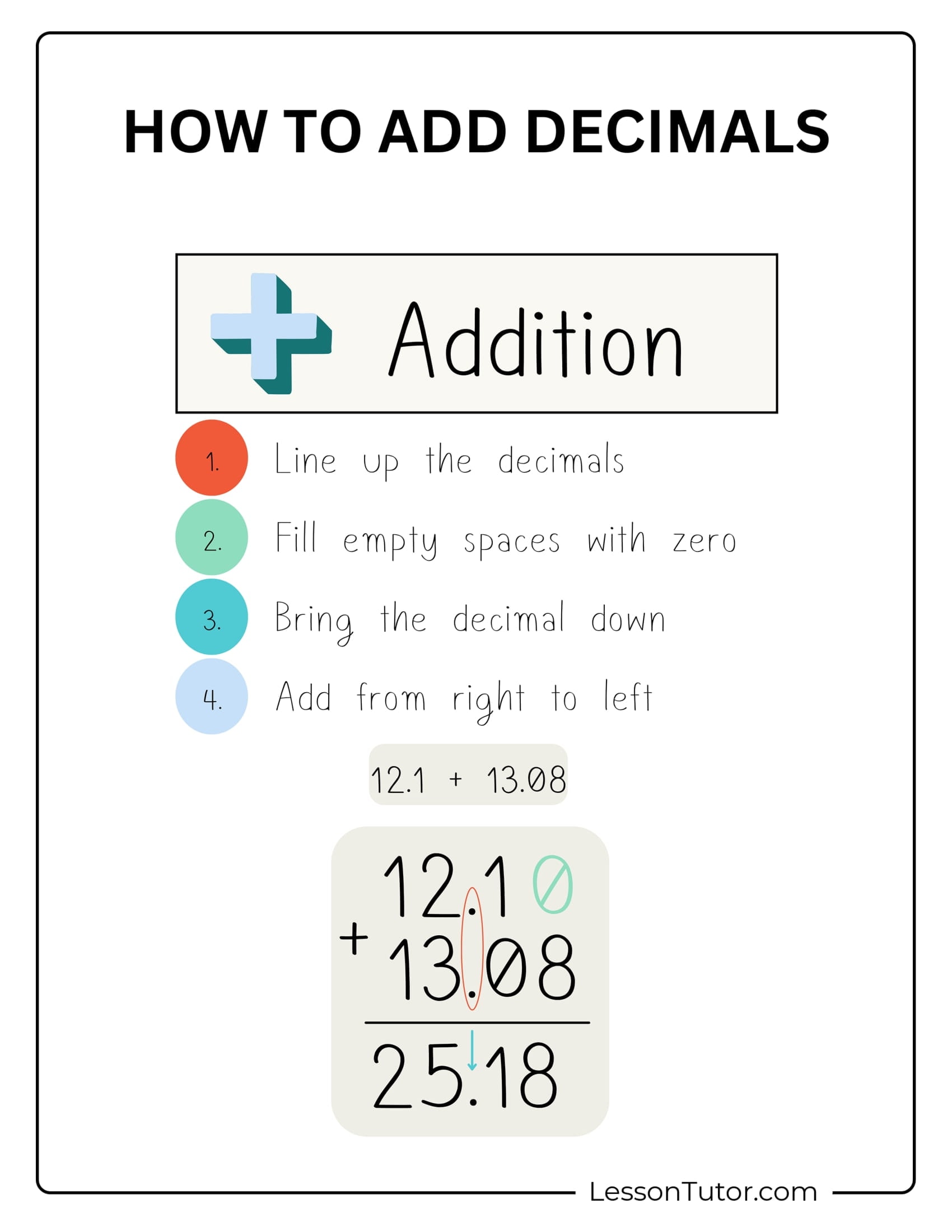
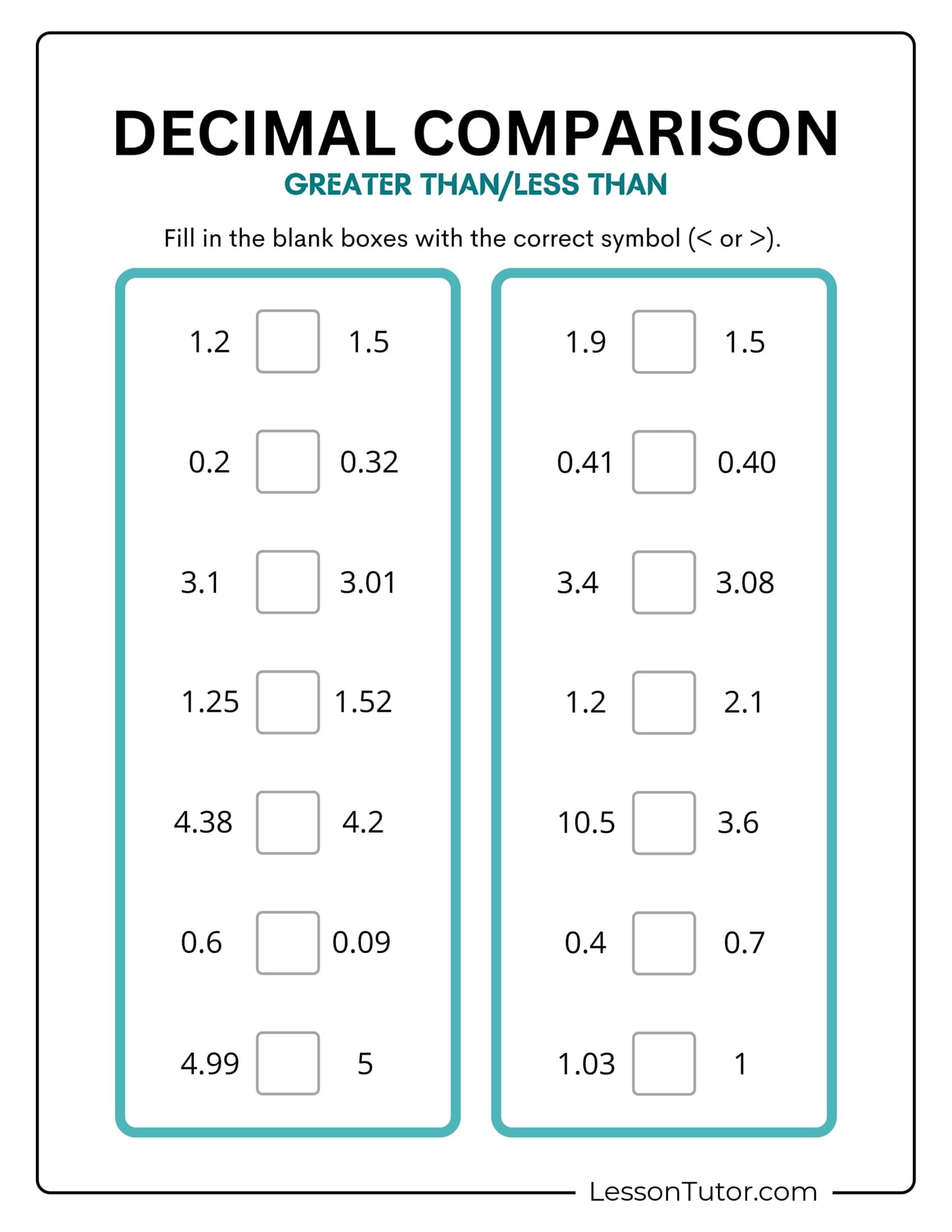
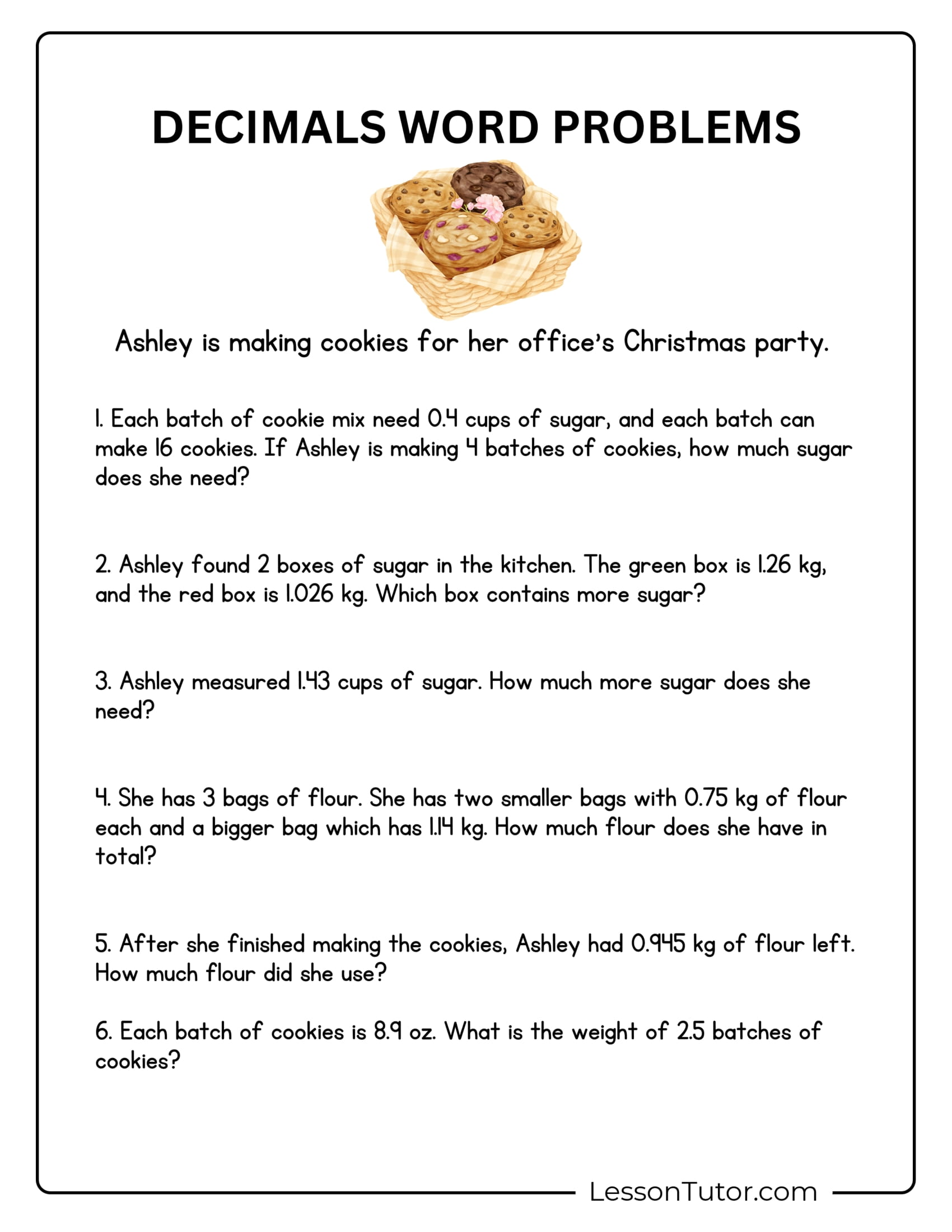
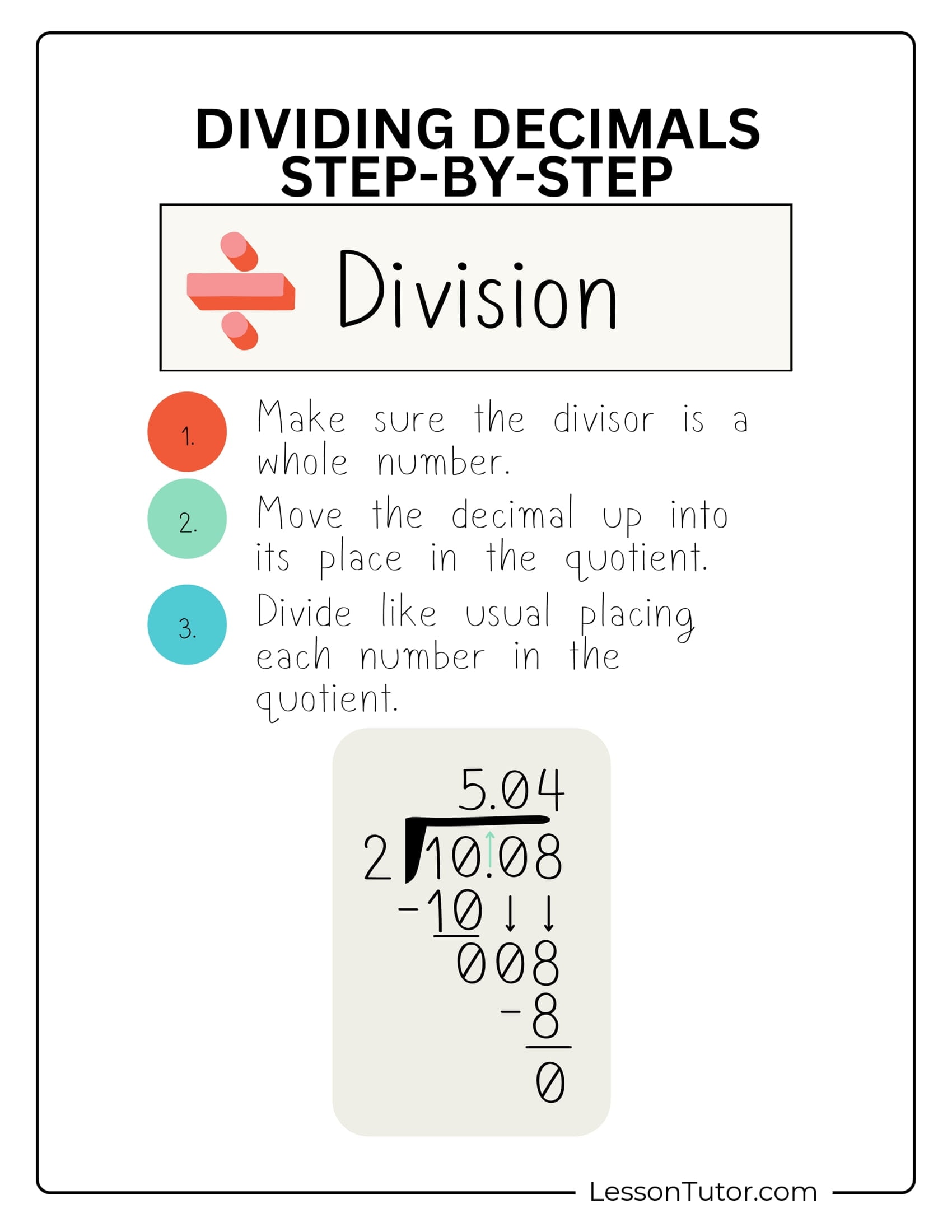
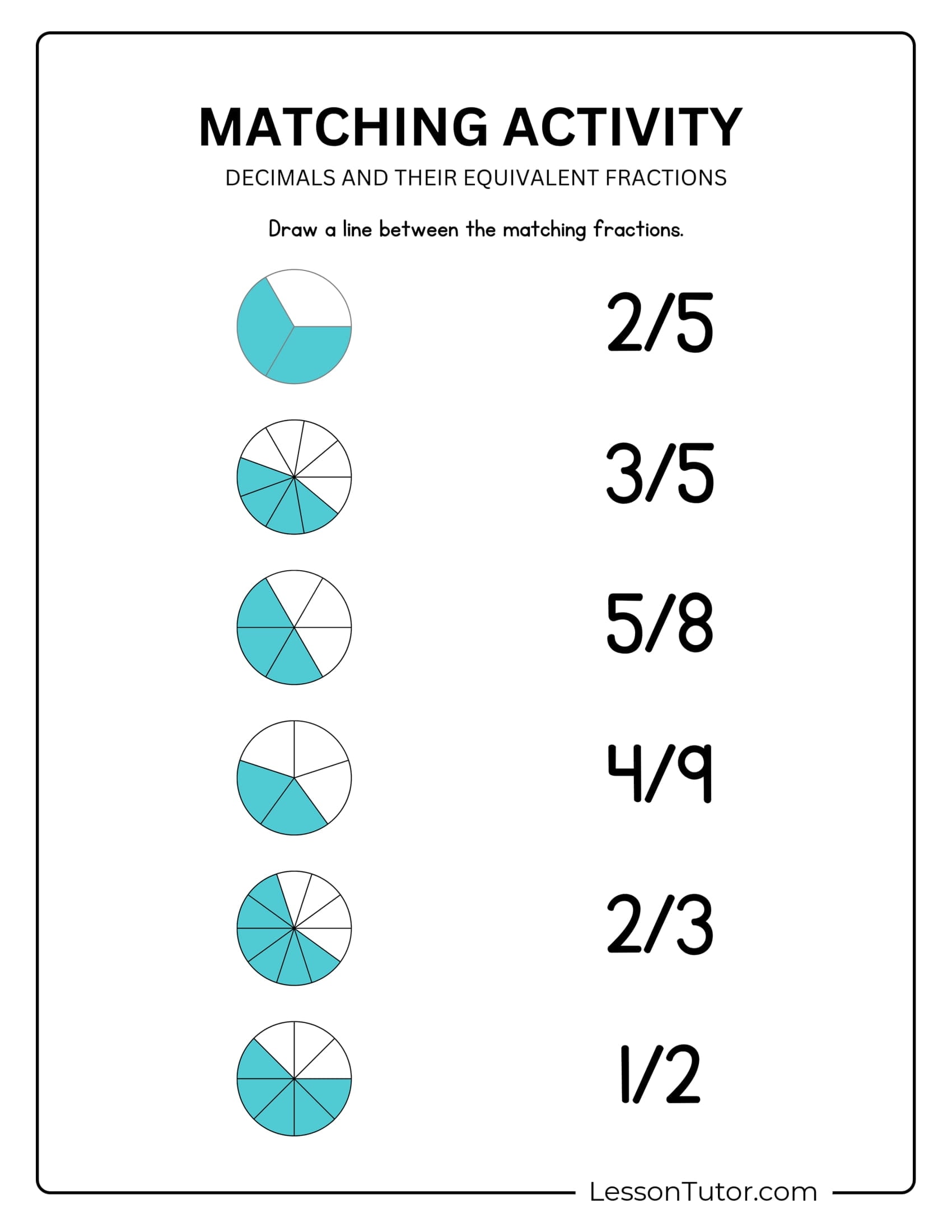
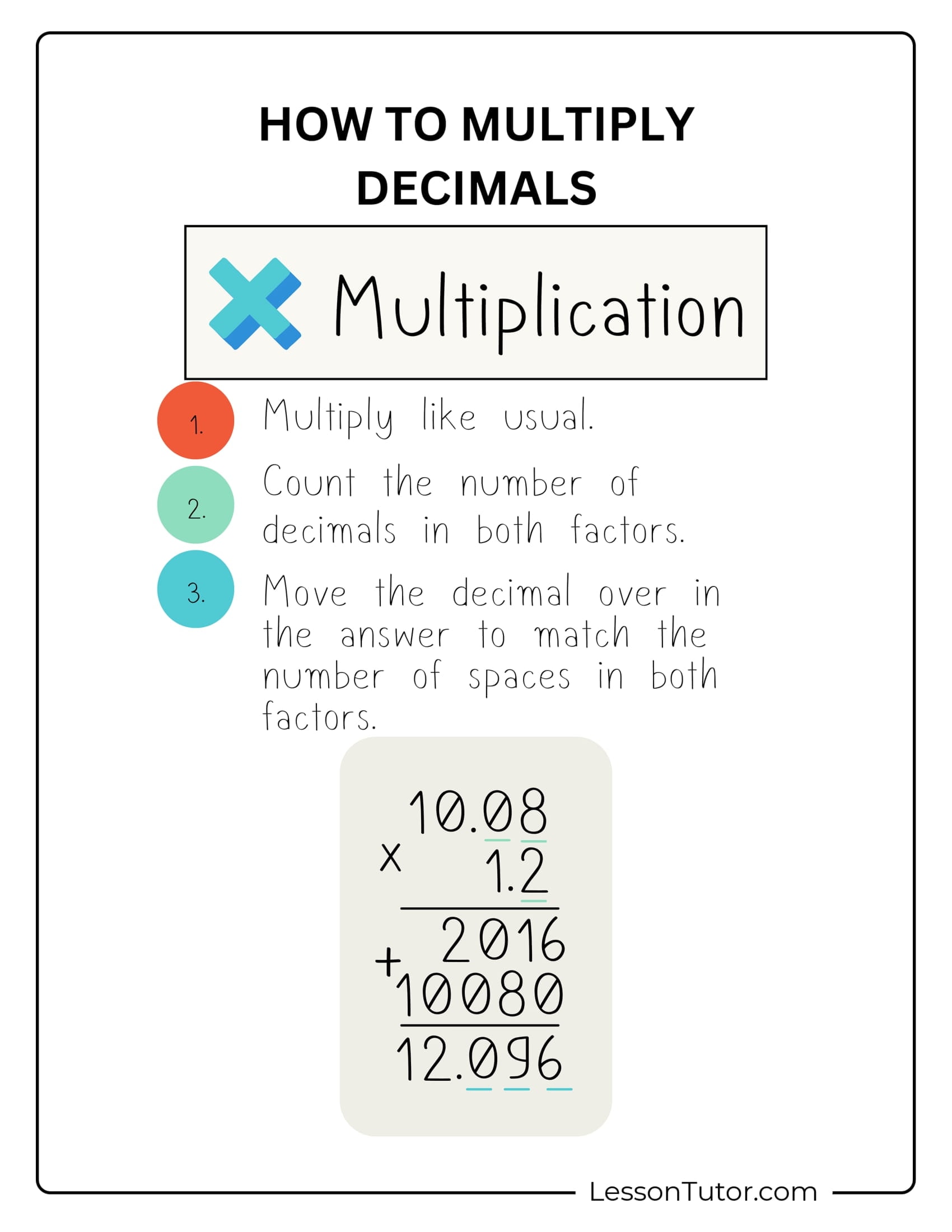
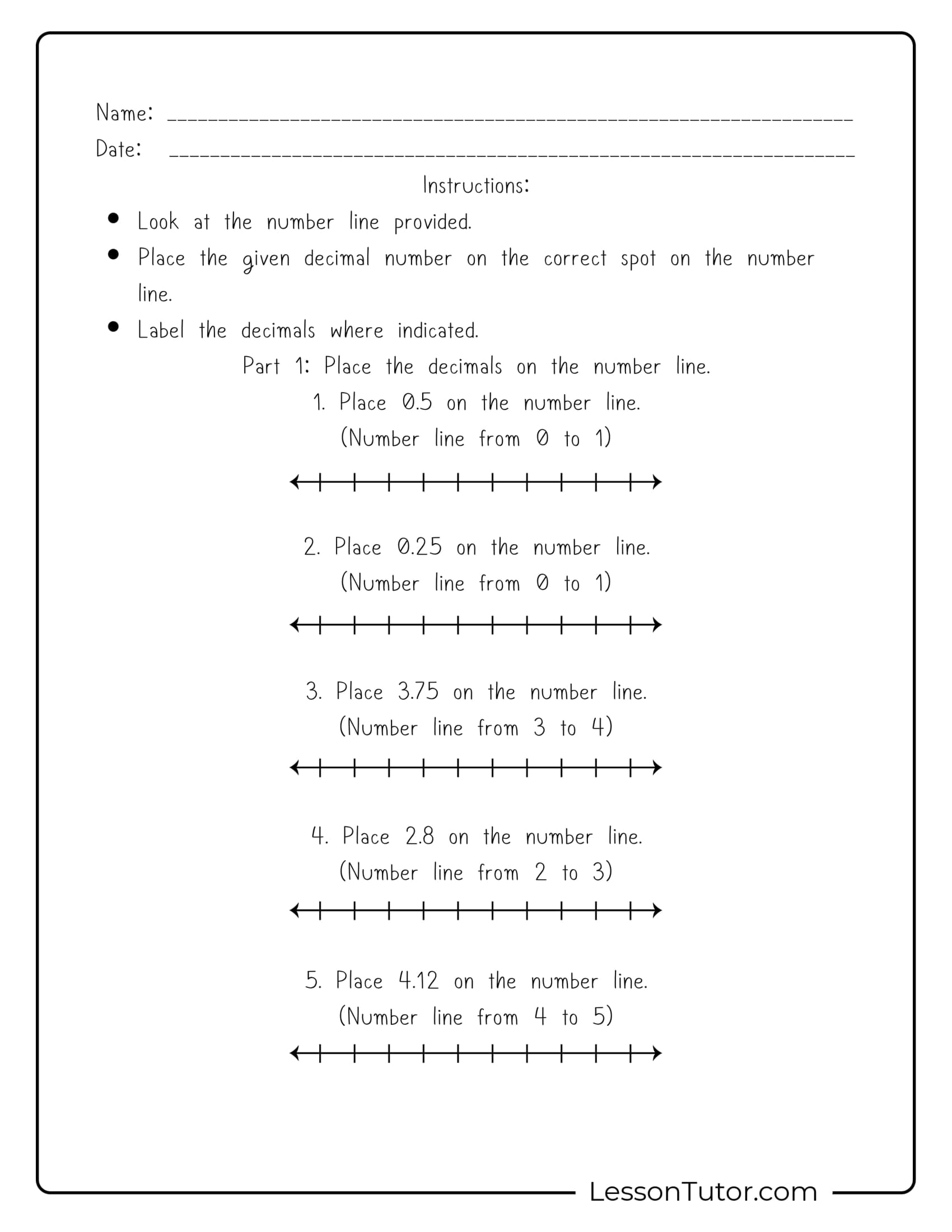
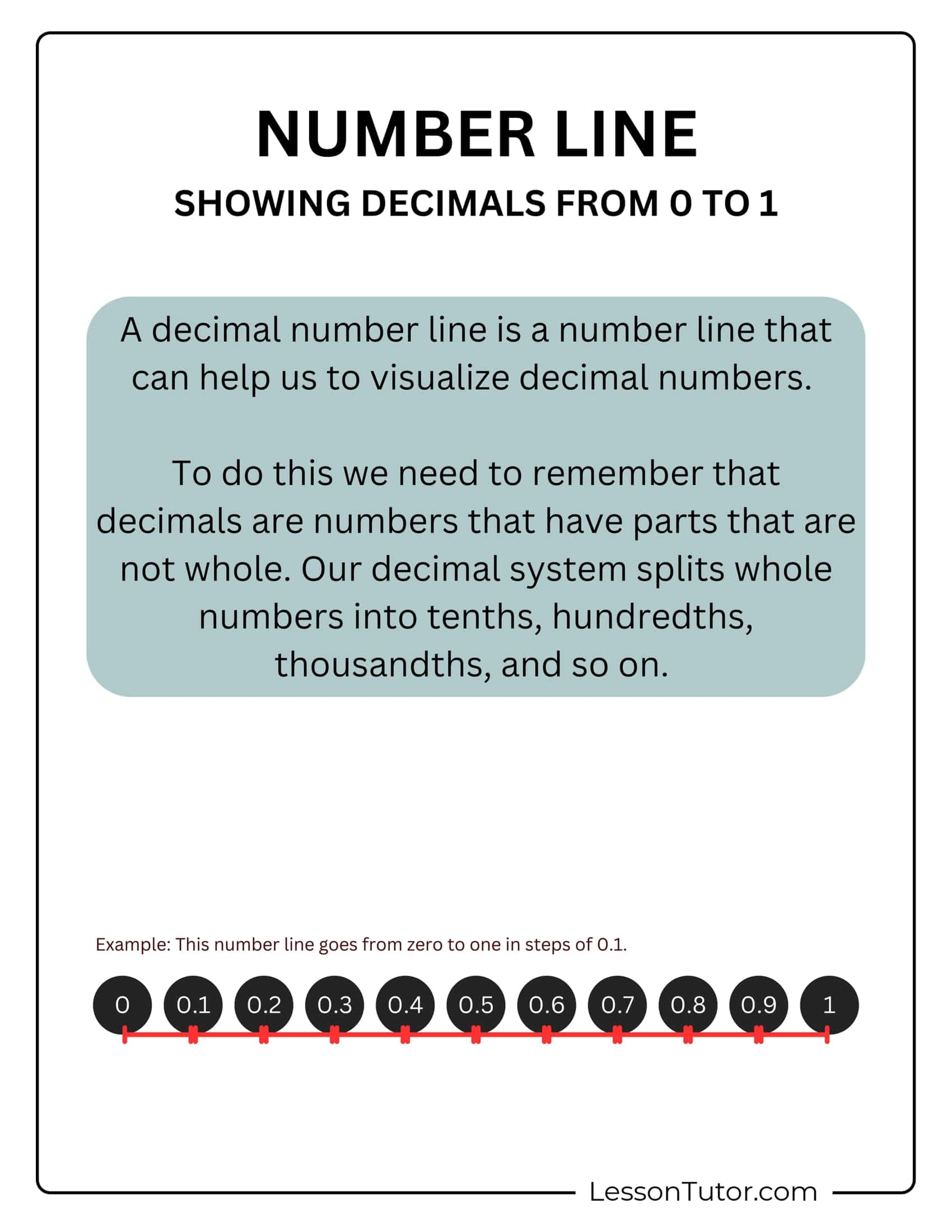
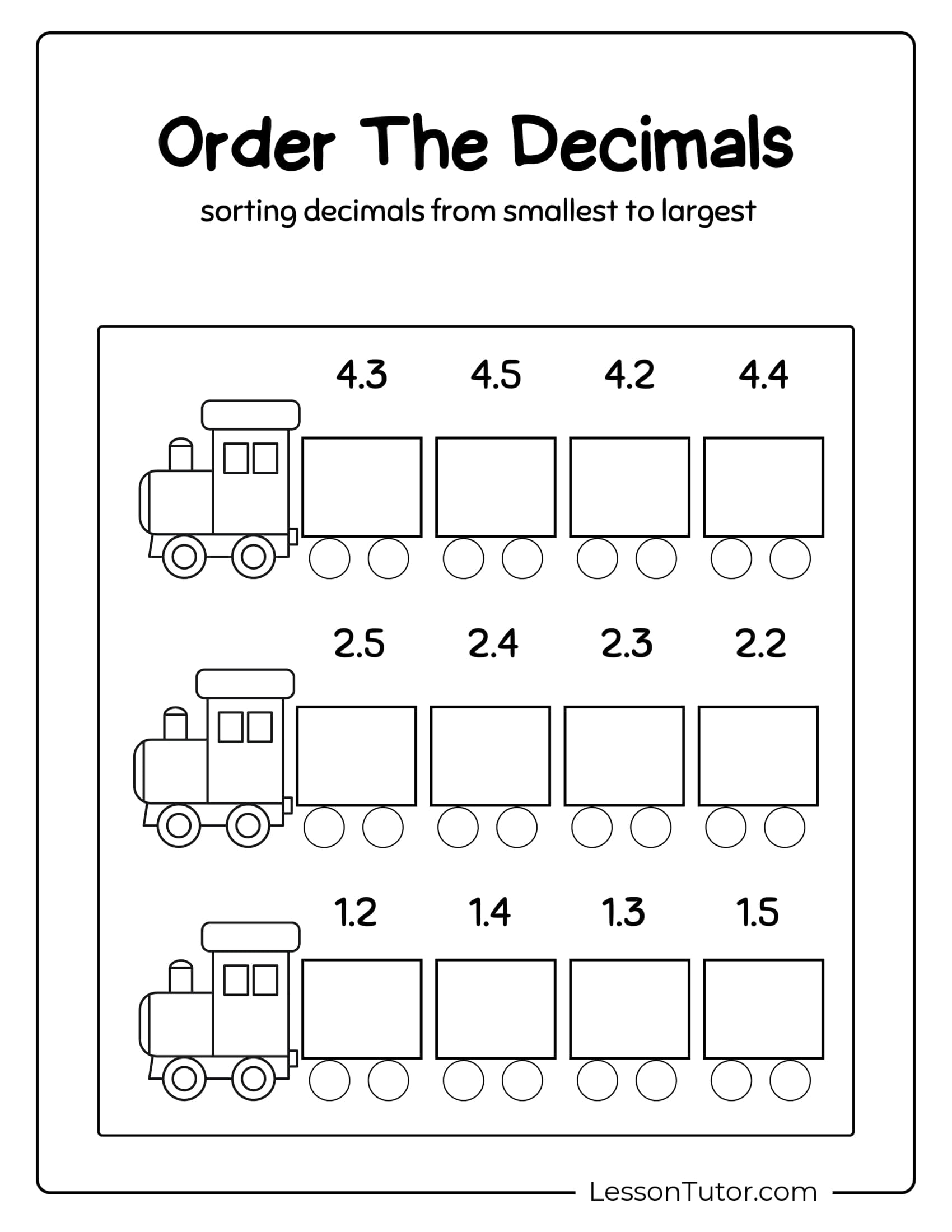
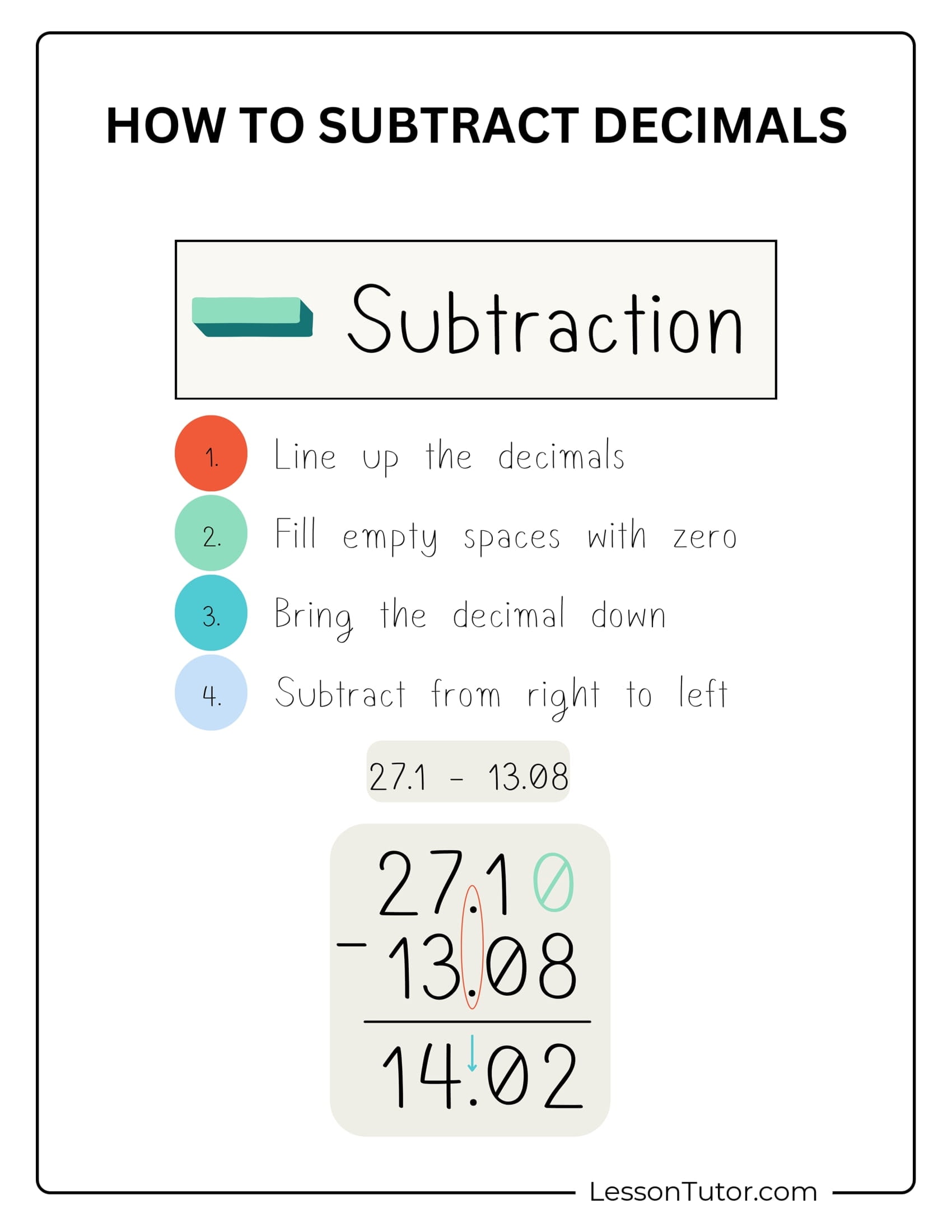
These worksheets include visual aids like number lines displaying decimals from 0 to 1, fill-in-the-blank comparison exercises, and matching activities linking decimals to equivalent fractions. Students will also practice adding, subtracting, multiplying, and dividing decimals with structured, step-by-step guidance. Sorting tables will help learners arrange decimals from smallest to largest, while engaging real-world word problems strengthen problem-solving skills.
More Free Printable Worksheets
If you're looking for more related worksheet goodies that kids love, we think you'll particularly enjoy these worksheet collections:
- Addition
- Multiplication
- Division
- Decimals Lesson Plan
- First Grade: Part-Part Whole
- Kindergarten: Numbers in Words 1-30
- Kindergarten: Numbers in Words 1-50
- Kindergarten: Tally Marks - Numbers 1-20
- Second Grade: Add and Multiply
- Second Grade: Balancing Equations
- Third Grade: Multiplication Times Tables
- Third Grade: Times Table 6 & 7
- Third Grade: Balancing Equations