





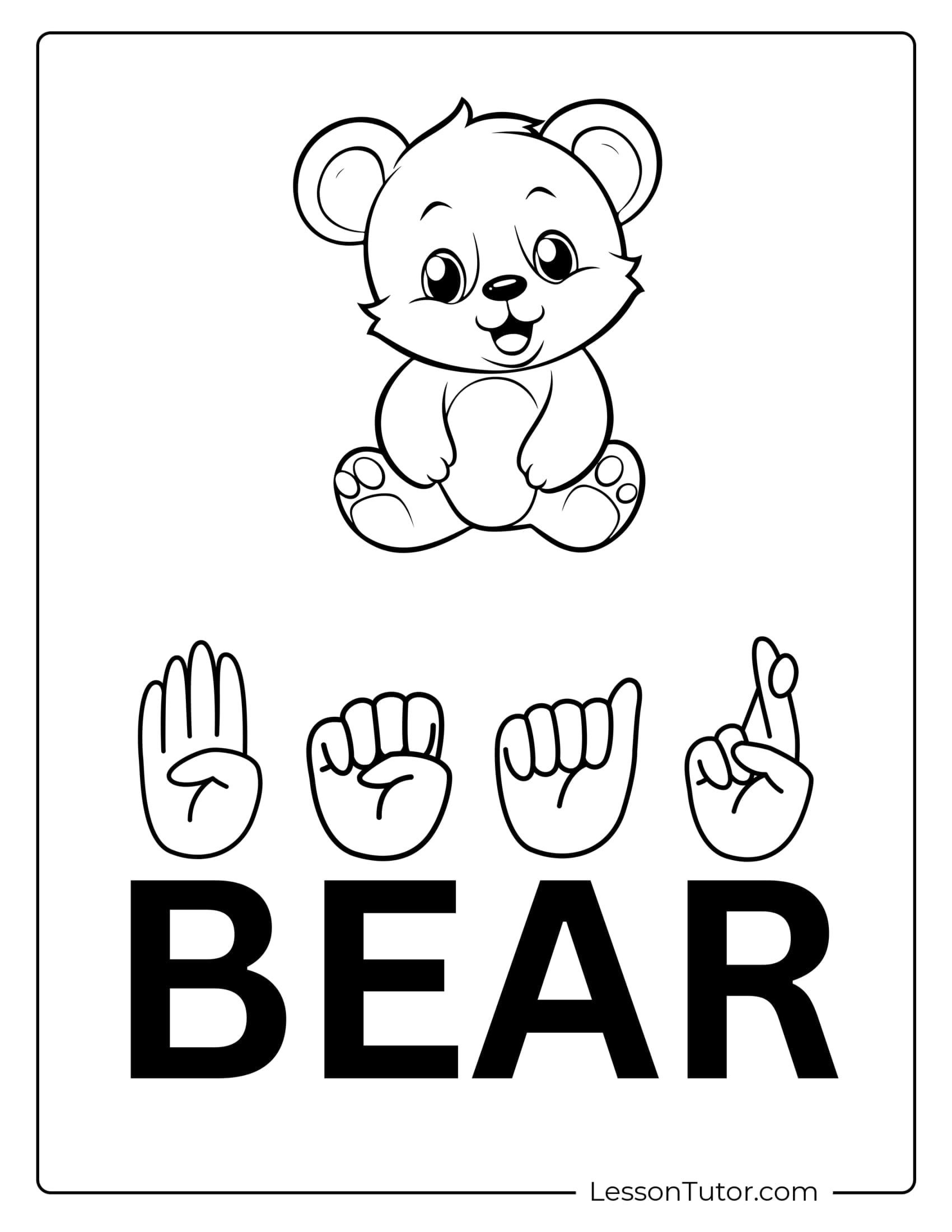
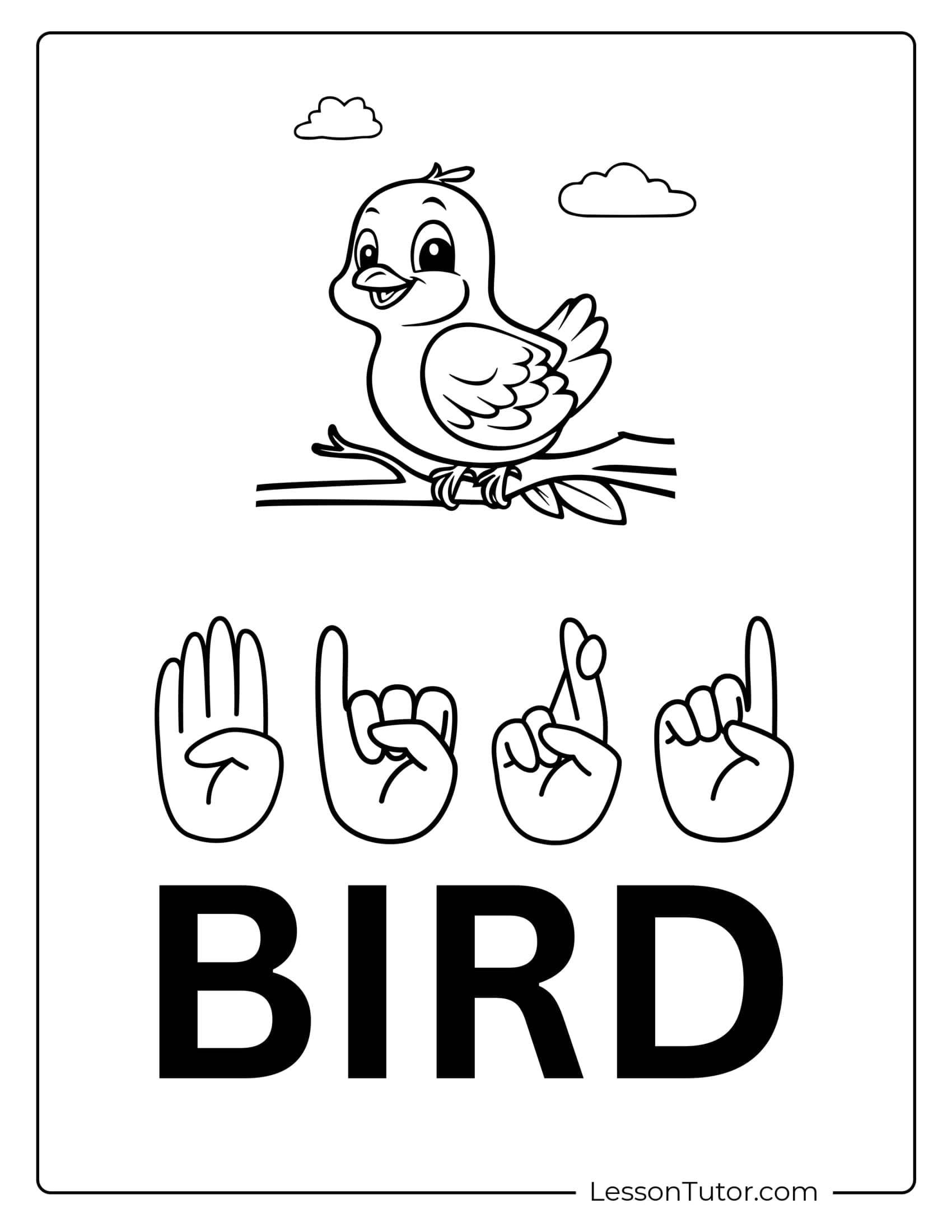
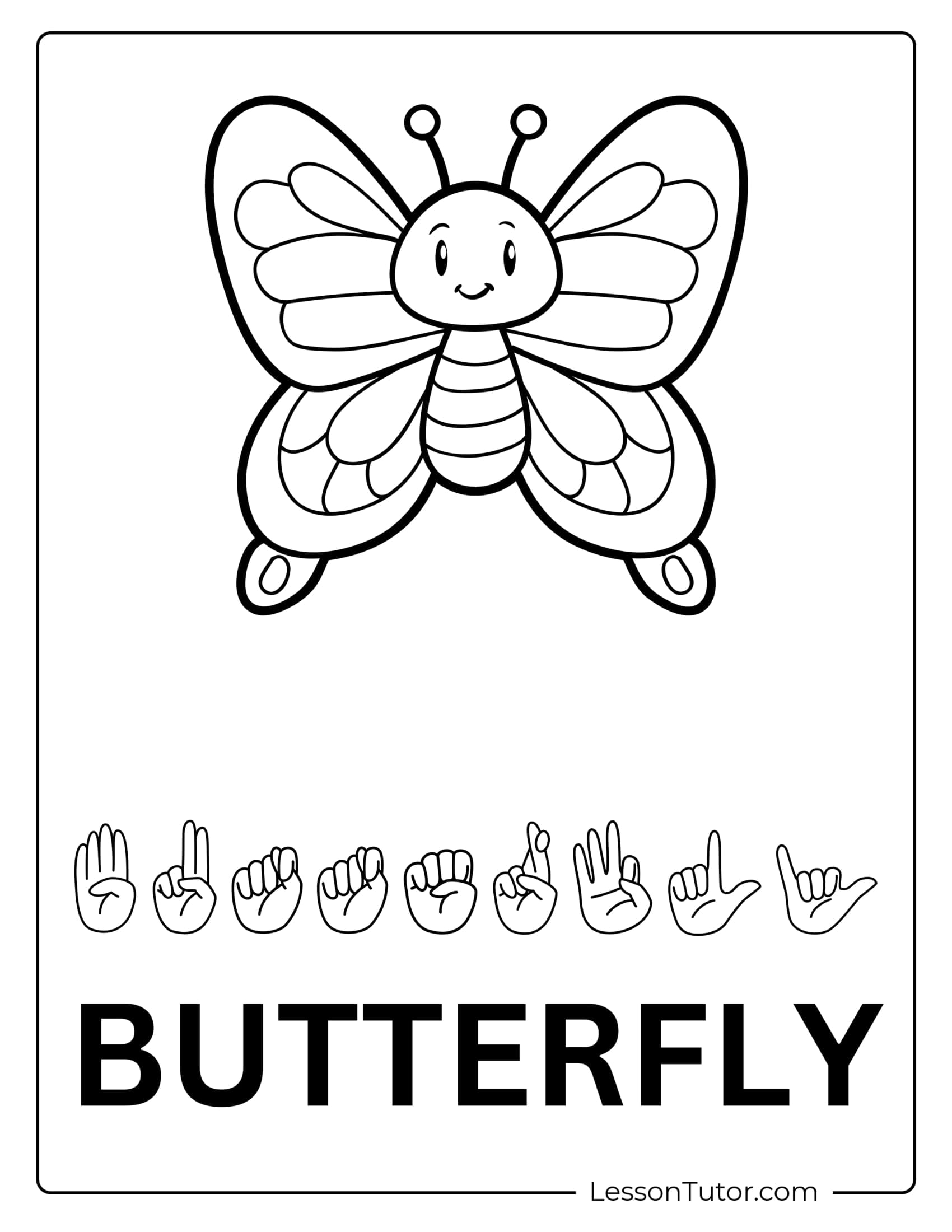
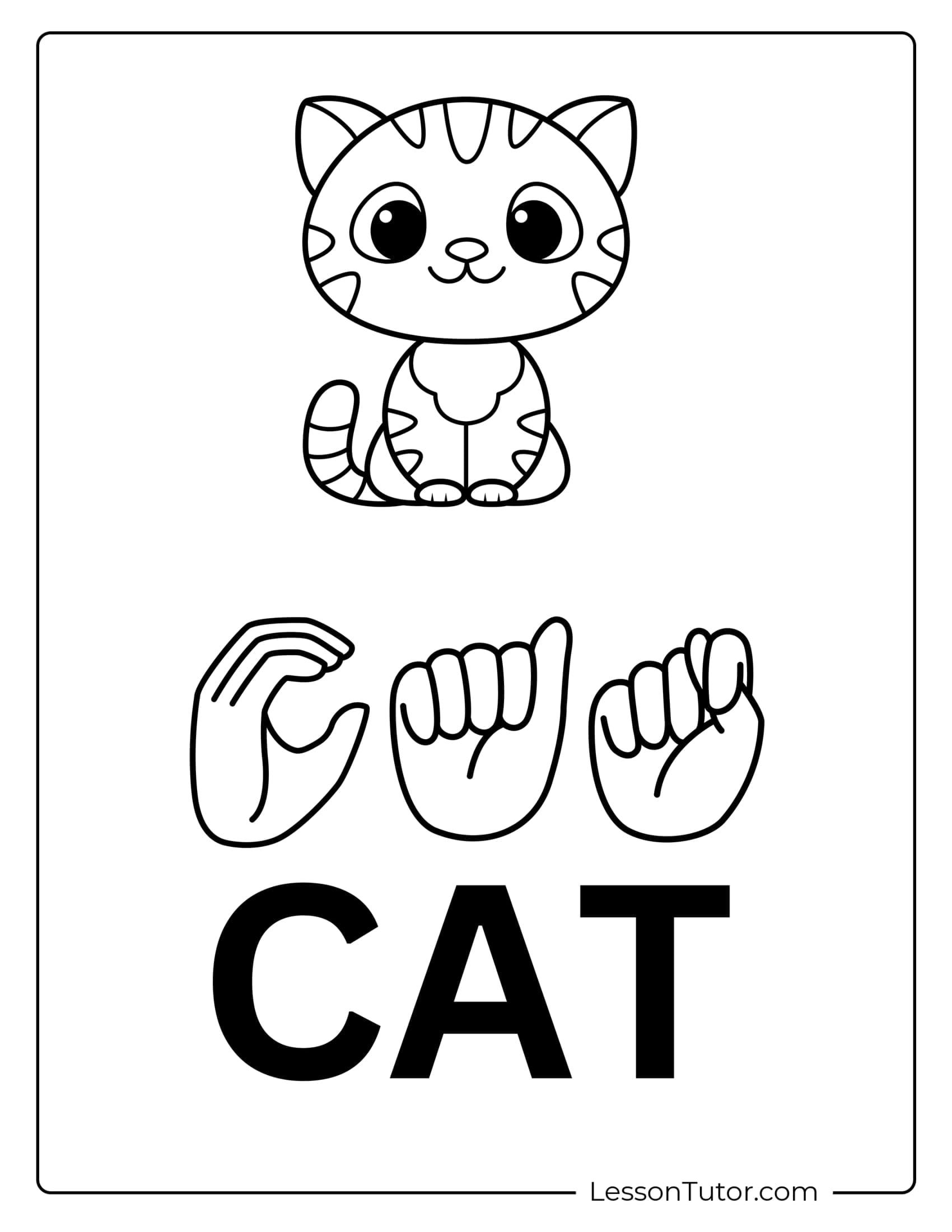
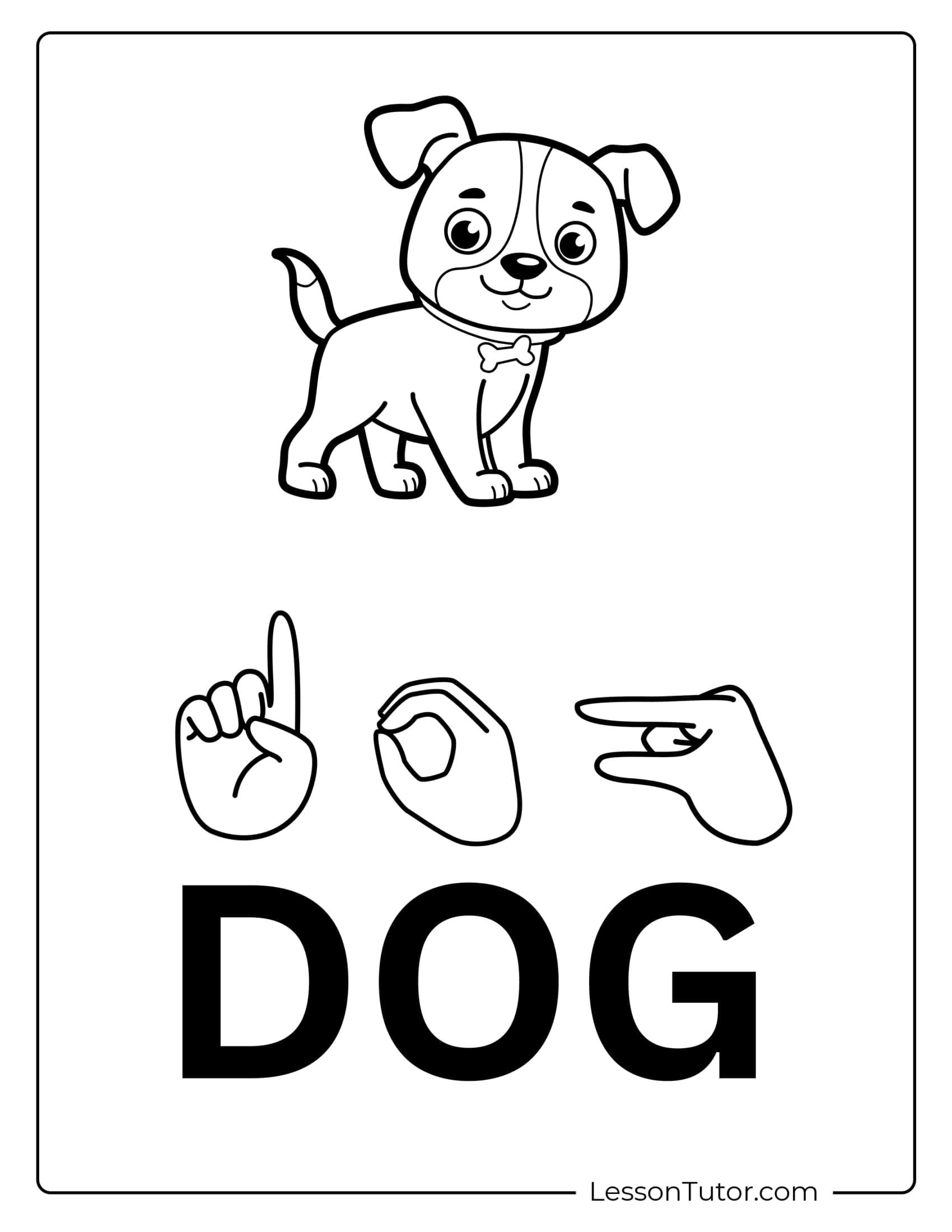
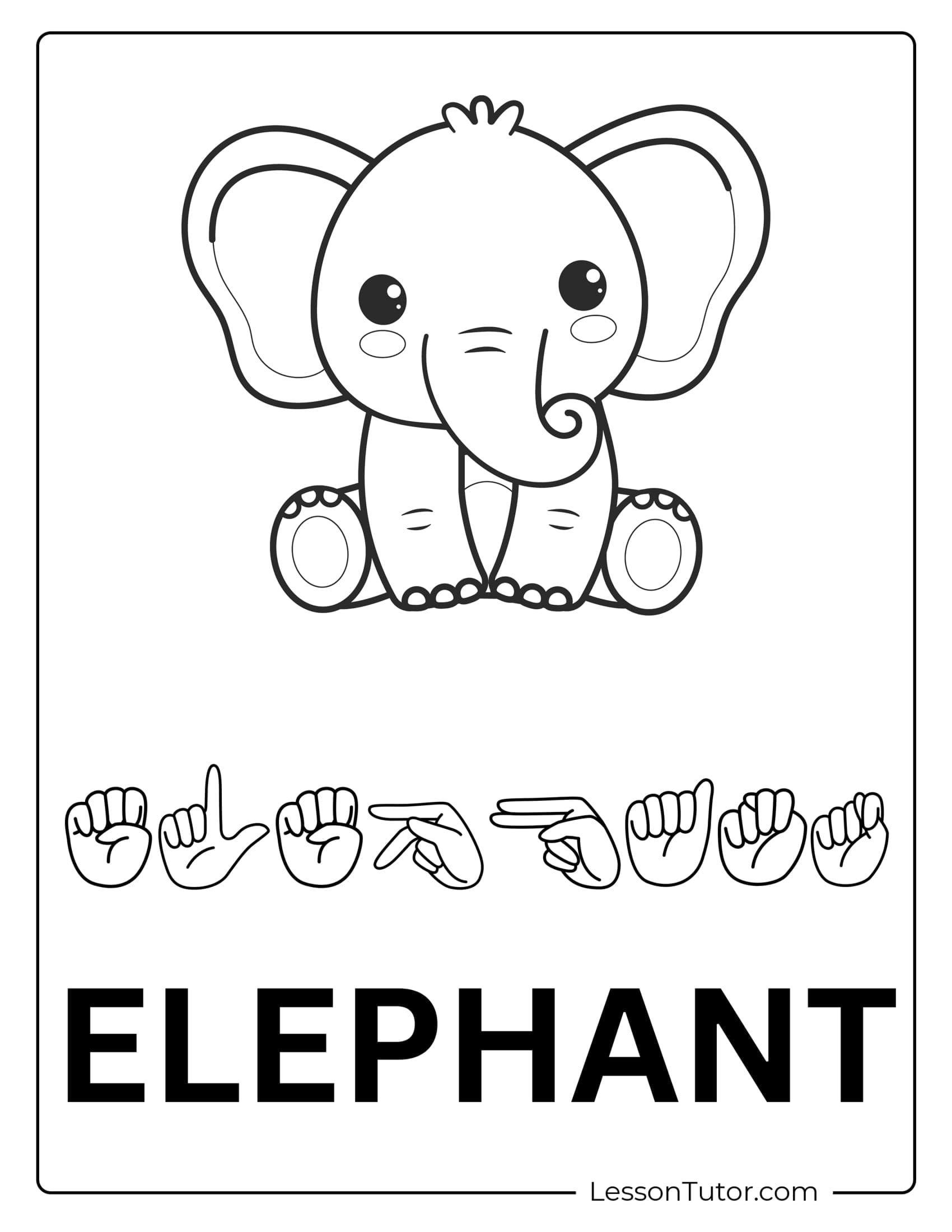
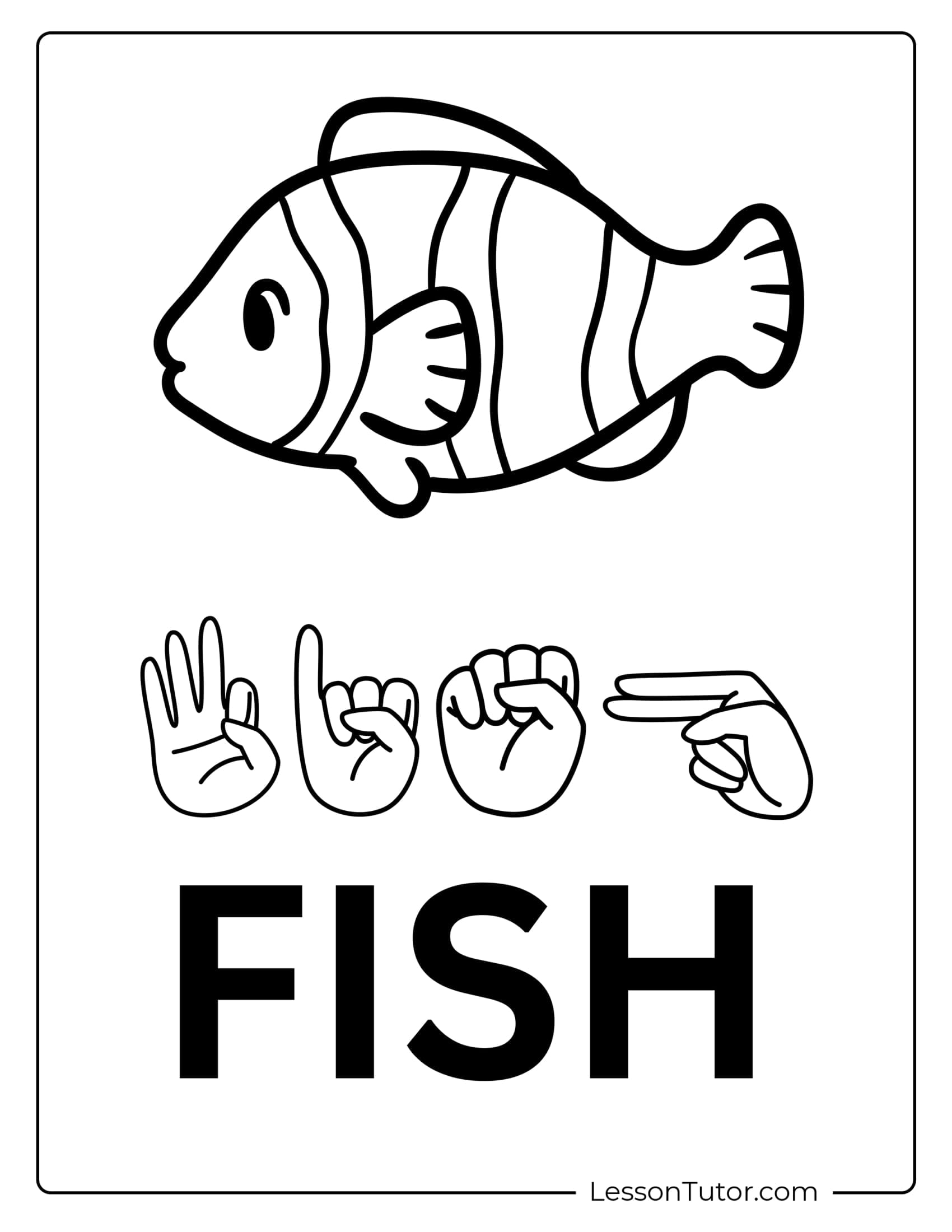
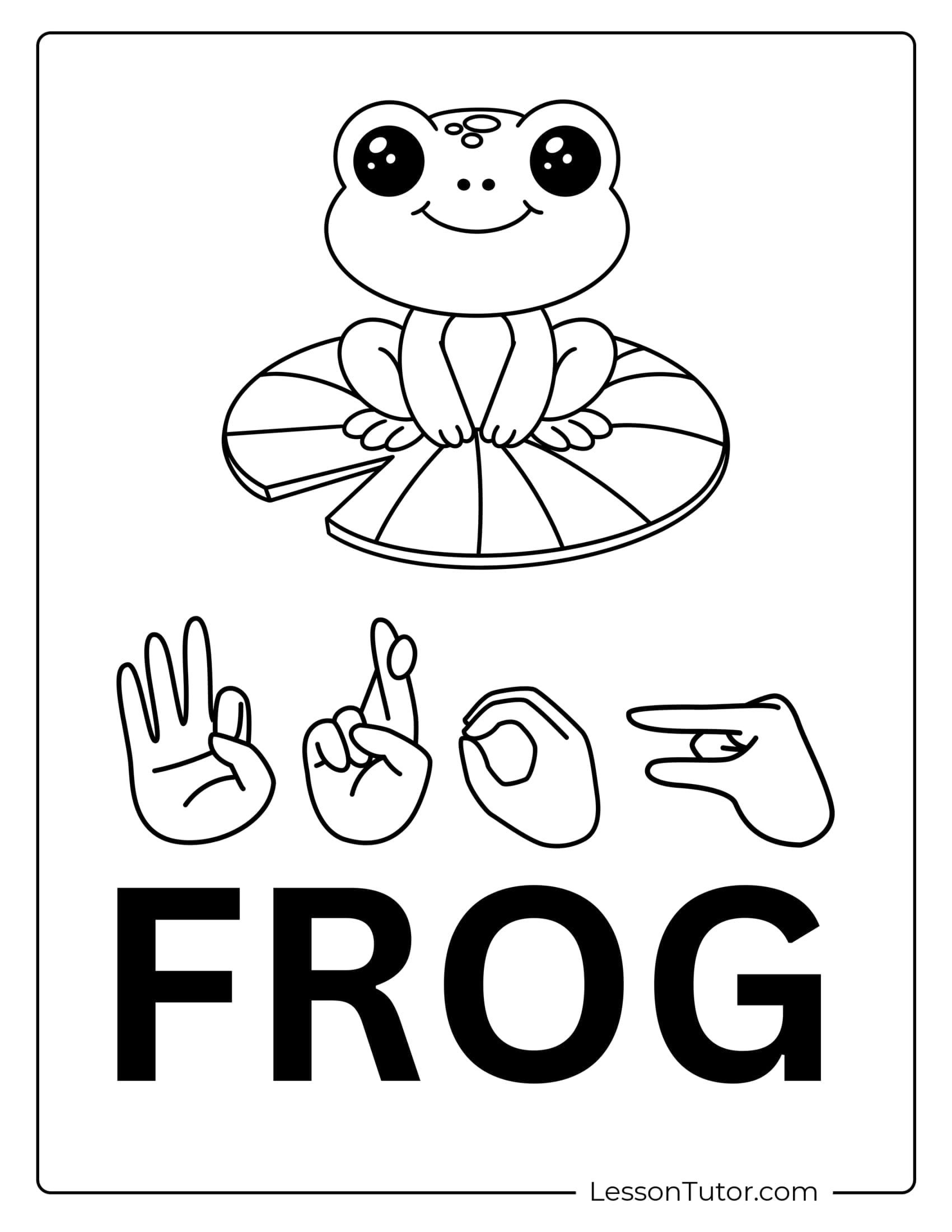
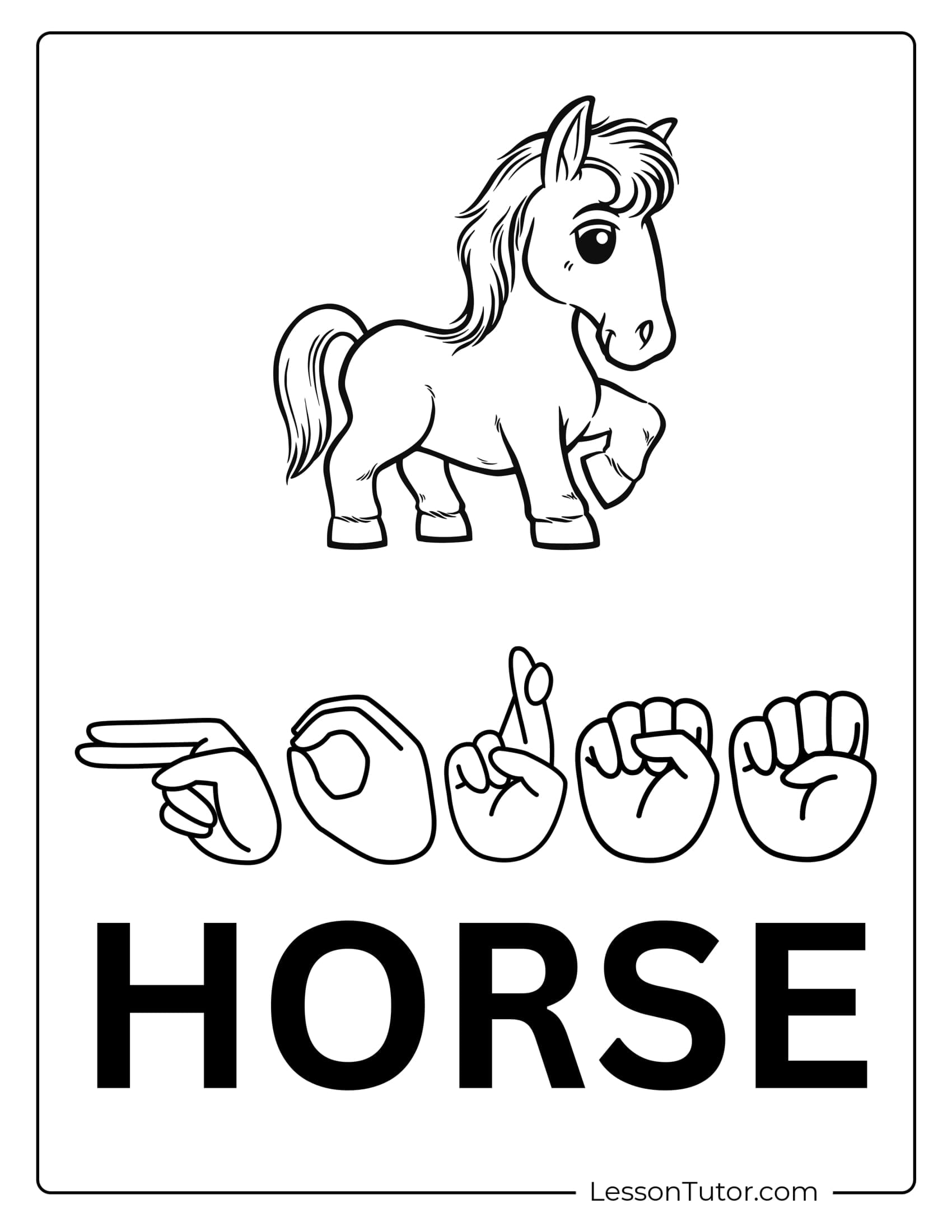
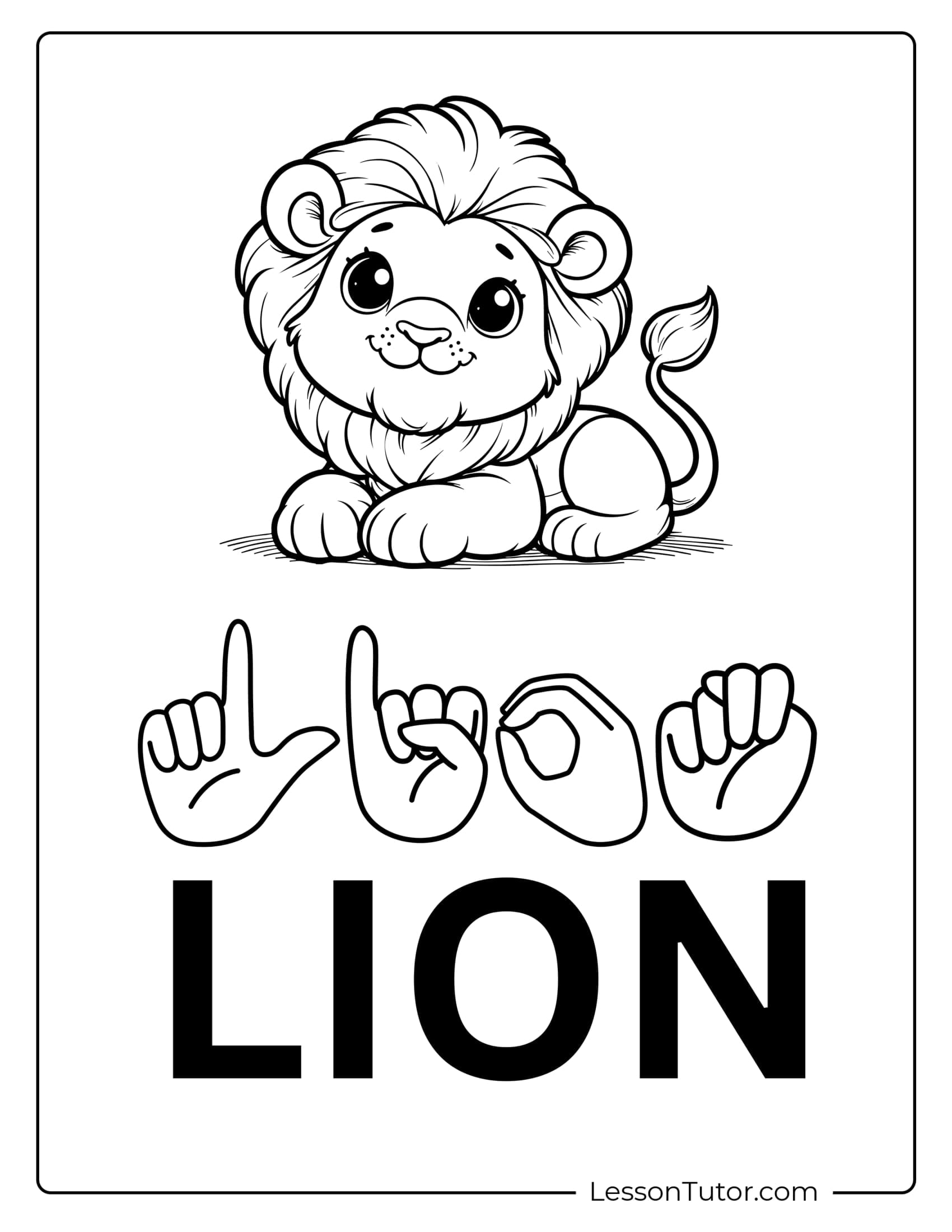
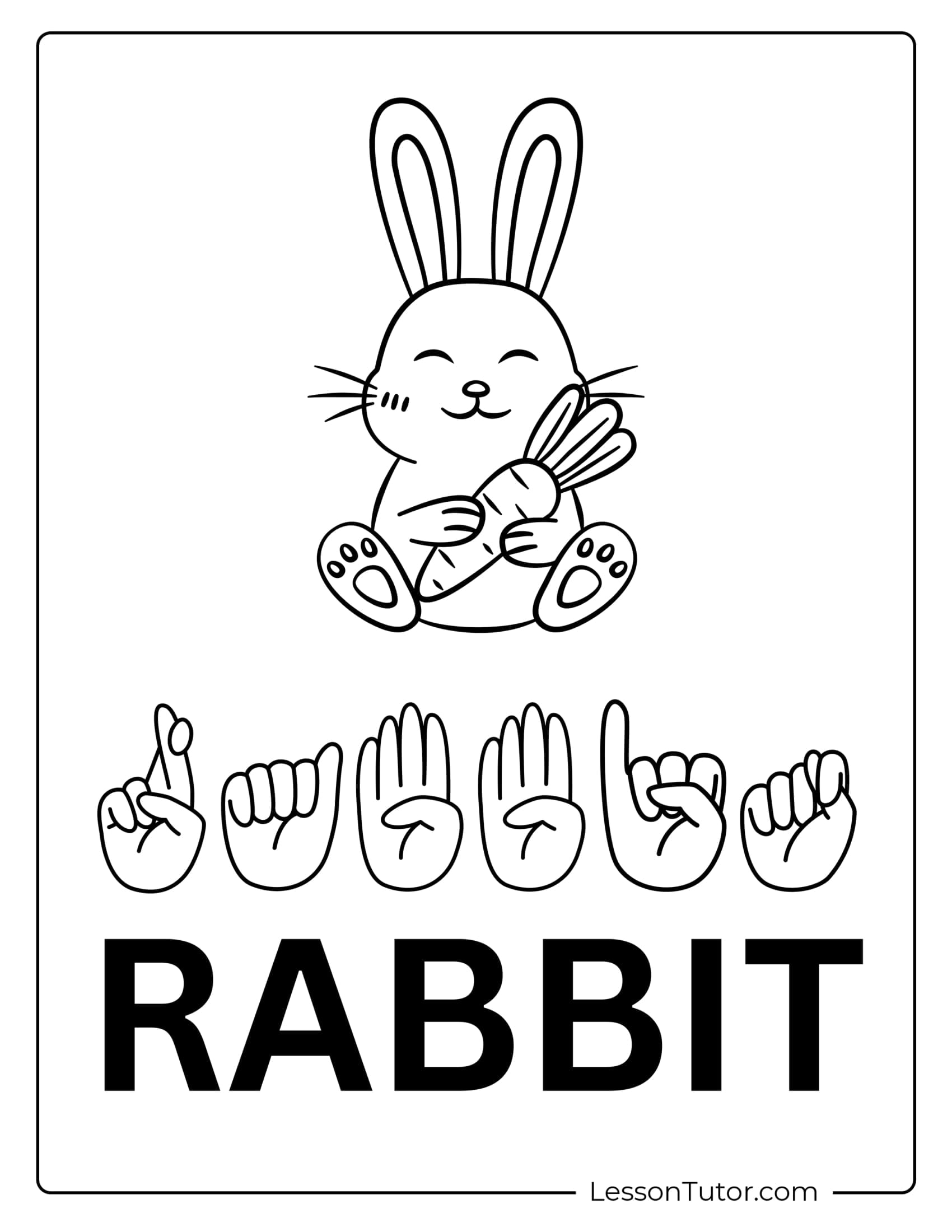
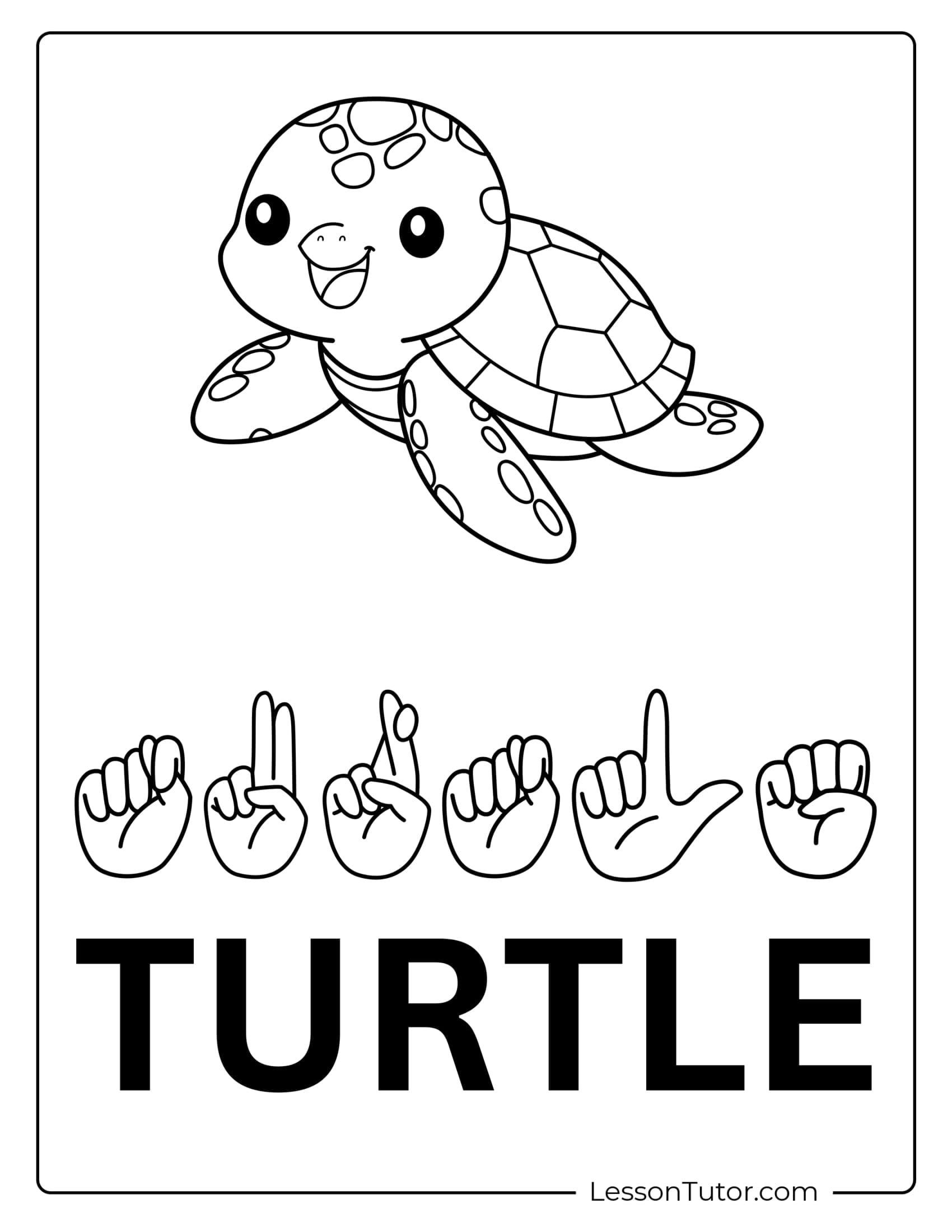
Discover the fascinating world of animals with this engaging collection of 15 high-quality worksheets, designed to bring learning to life! From the swift movements of a cat to the playful antics of a monkey, these worksheets introduce a variety of creatures in an interactive and educational way. Each page not only showcases fun activities but also teaches the American Sign Language (ASL) signs for animals like dog, bird, fish, rabbit, horse, frog, turtle, snake, elephant, lion, bear, butterfly, and deer, making this a perfect resource for both learning and creativity.
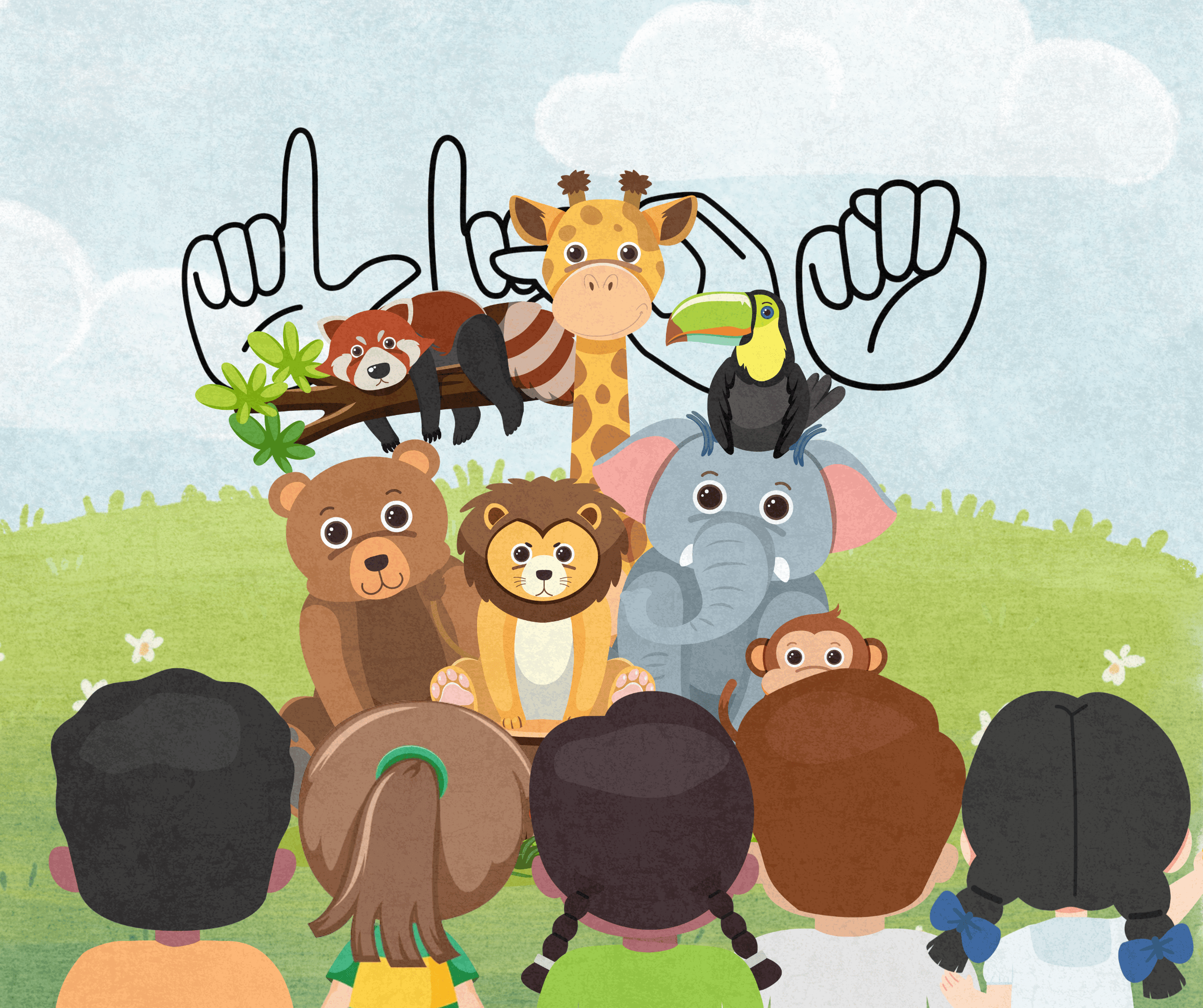
Bring the wonders of nature into your home with these 15 printable sign language for animals worksheets, carefully crafted for an interactive learning experience. Perfect for educators, parents, and animal lovers, these A4-sized, high-resolution PDFs are free to download and offer an engaging way to discover the world of animals. Whether you’re learning ASL, coloring, or simply appreciating the diversity of wildlife, these worksheets will make every moment both fun and educational!


Craft Ideas To Do With ASL Animals Worksheets
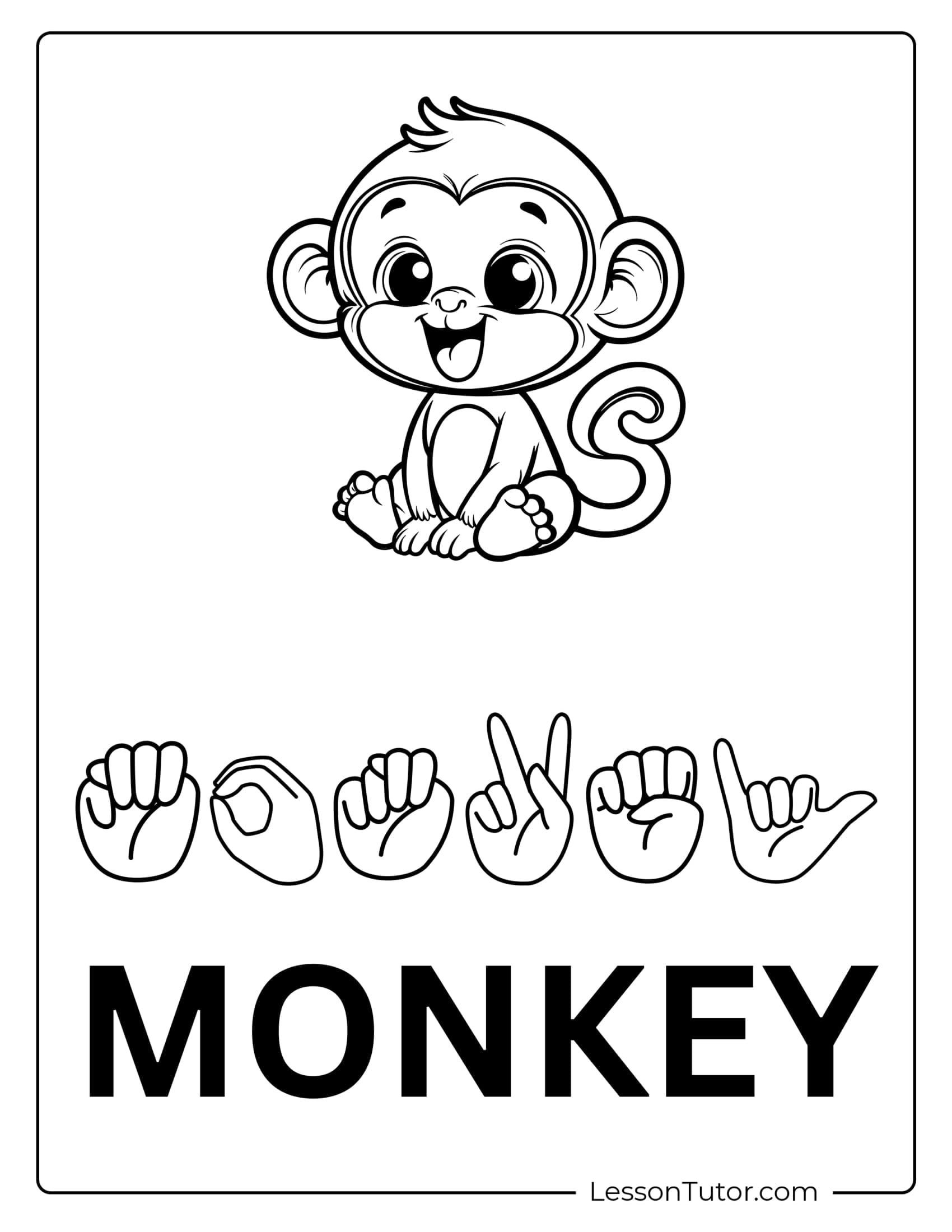
This exciting collection features animals in their natural habitats, engaging in different activities, and displaying their unique characteristics. Whether it’s a lion roaring, a turtle slowly making its way across the land, or a butterfly fluttering gracefully, these worksheets provide a blend of fun and knowledge. With step-by-step illustrations for ASL signs, children and adults alike can expand their language skills while exploring the beauty of the animal kingdom.
More Free Printable Worksheets
If you're looking for more related worksheet goodies that kids love, we think you'll particularly enjoy these worksheets collections: